Nike's Systemic Drift and Physical Recalibration: From DTC Dogma to Reclaiming Retail Fundamentals
Nike's perceived sudden decline is, in essence, the balance sheet's reckoning for five years of aggressive direct-to-consumer (DTC) strategy, R&D marginalization, and organizational misalignment. This analysis, drawing from FY2026 financials and channel insights, dissects the painful recalibration under veteran Elliott Hill.

Core Thesis: In the capital markets and public consciousness, Nike appeared to “suddenly lose momentum” over the past year or two: its stock plummeted nearly 20% in a single day in June 2024, erasing over $28 billion in market capitalization, and a significant downward revision of its full-year revenue guidance swiftly led to the quiet departure of former CEO John Donahoe.
Yet, in the practical realities of multinational physical manufacturing and retail distribution, a global titan with nearly $50 billion in annual revenue doesn’t experience a true “sudden death.” What the public perceived as a precipitous decline was, at its core, the concentrated realization on the balance sheet and across physical channels of five years of aggressive direct-to-consumer (DTC) strategy, marginalized R&D, and organizational misalignment within a fast-moving consumer goods (FMCG) matrix.
Looking back from the vantage point of FY2026, the course correction initiated by veteran Elliott Hill has entered its most painful depths: channels can be rebuilt by bowing to distributors, but the lost prime shelf space, the overdrawn premium of classic footwear, and the immutable physical timelines of midsole material R&D are now forcing Nike to settle its overdue accounts, month by painful month.
I. Channel Self-Cannibalization: Aggressive DTC and the Physical Shelf Vacuum
In 2020, John Donahoe, with a background purely in internet and software consulting (and former head of eBay), took the helm at Nike. He swiftly and forcefully implemented an aggressive strategy across the company dubbed “Consumer Direct Acceleration” (CDA).
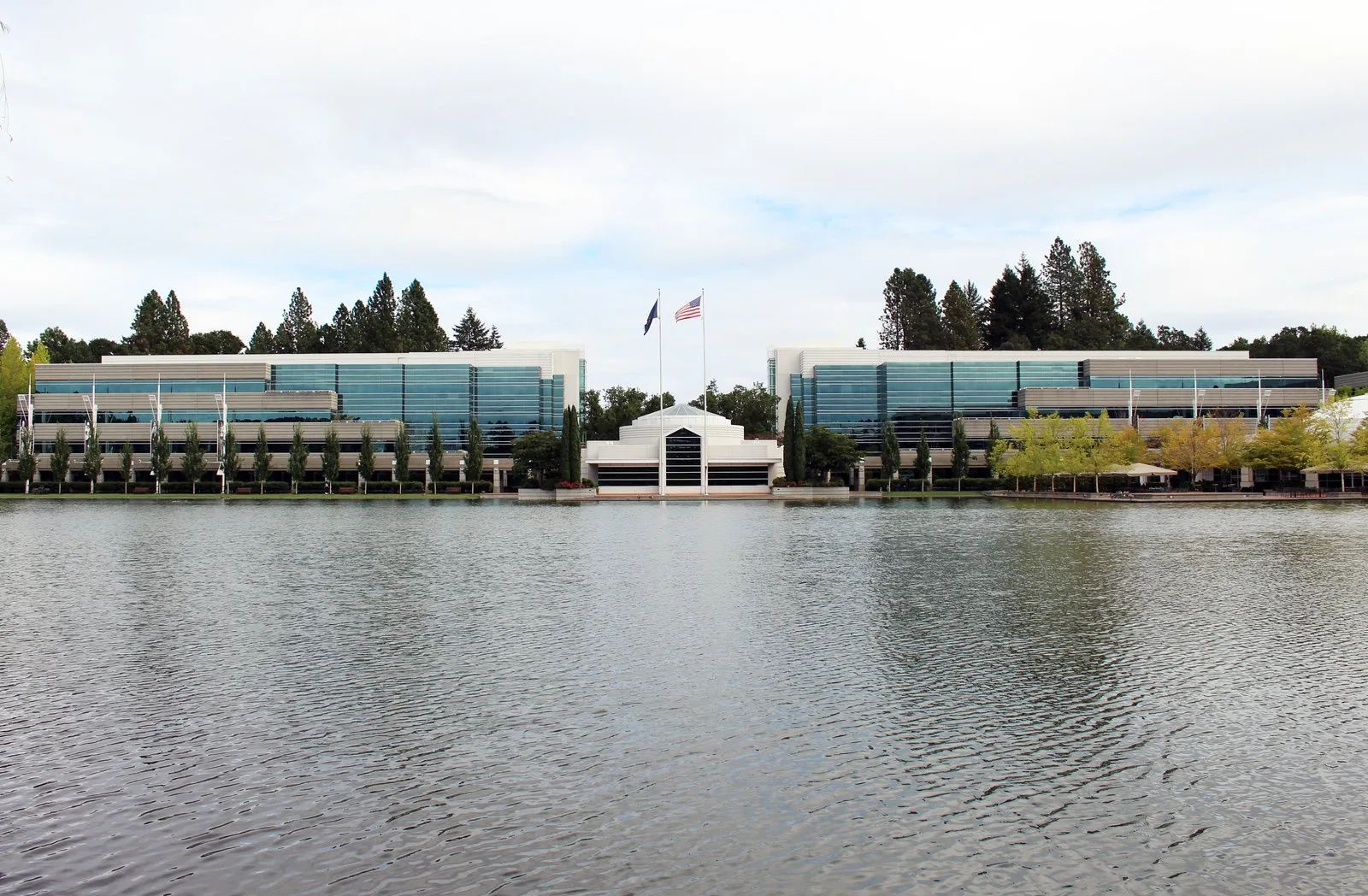
Figure 1: Nike World Headquarters in Beaverton, Oregon, USA. For decades, this campus was a sanctuary for world-class athletic engineering and athlete inspiration. Yet, between 2020 and 2024, it was, for a period, dominated by pure digital customer acquisition models.
This strategy perfectly catered to Wall Street’s then-feverish appetite for “software-ization and digital transformation”:
- Significantly cutting or unilaterally severing long-standing partnerships with offline wholesalers.
- Attempting to forcibly migrate hundreds of millions of athletes globally to Nike’s official self-operated website, SNKRS App, and brand-owned direct stores.
- Intending to artificially inflate the company’s overall gross margin on financial reports by capturing the distribution margins previously held by intermediaries.
Nike proactively withdrew or significantly curtailed supply to distributors, including Foot Locker, various independent sporting goods stores, and specialized running shoe boutiques. However, this top-down, online-traffic-funnel model severely underestimated the fundamental laws of physical retail:
1. Rigid Escalation of Online Customer Acquisition Costs
As the post-pandemic global online traffic dividend peaked, compounded by underlying technological restrictions on targeted advertising like Apple’s iOS privacy policies, the customer acquisition cost (CAC), fulfillment logistics, and reverse logistics (returns) — often reaching 25-30% — for Nike’s self-built DTC channels spiraled out of control. Far from generating anticipated windfall profits, the
Related Research & Topics
Tello Mobile eSIM
SafetyWing Nomad Insurance
* Disclosure: This post contains affiliate links. If you make a purchase through these links, V-G Journal may earn a small commission at no additional cost to you. We only recommend services we independently evaluate and trust.
FIRE and Golf:自由旅居之路
专注于为追求 FIRE 与品质生活的人群提供特惠打球权益与候鸟微度假。不持一砖一瓦,运营品质生活。