The Evolutionary Mismatch: Thrifty Phenotypes, Visceral Fat, and the Metabolic Risk to FIRE Capital
Through millennia of agrarian famine, East Asian populations evolved an energy-conservative phenotype paired with constrained pancreatic beta-cell capacity. Exposed to modern industrial calorific surplus, even minor excess fat overflows into visceral ectopic deposition, driving metabolic syndrome at lower BMIs. For FIRE practitioners, physiological resilience is the fundamental asset underlying compounding returns—neglecting genetic vulnerabilities risks catastrophic balance-sheet failure.

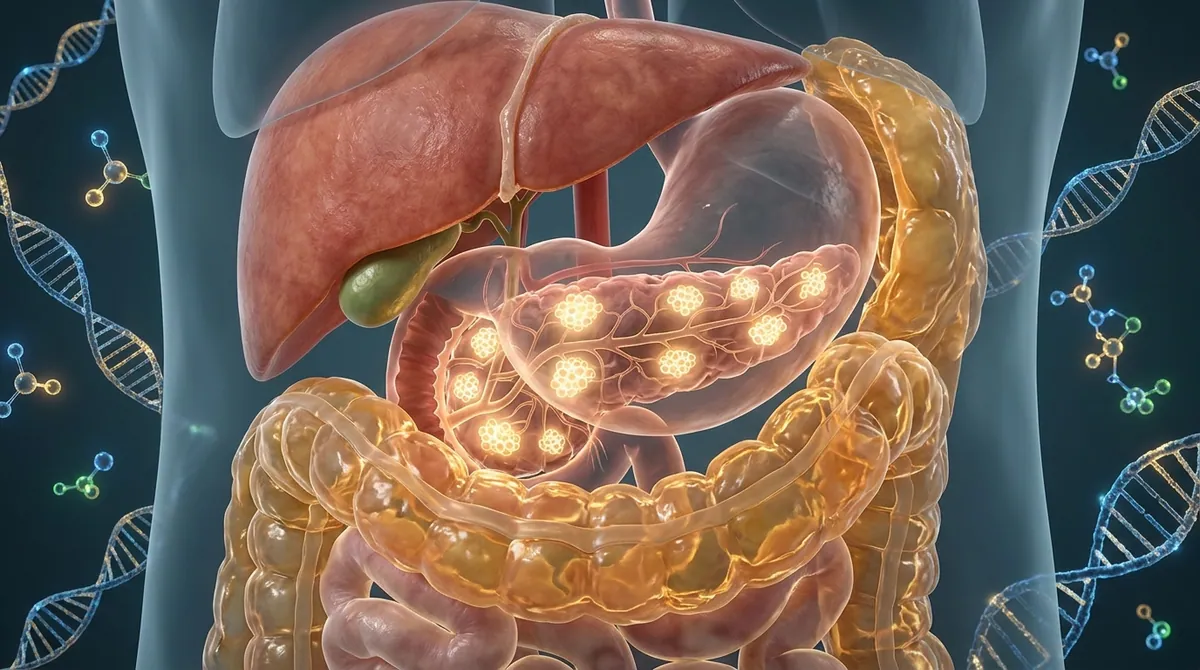
Figure 1: The pathological mismatch between an energy-conserving phenotype selected by agrarian evolution and the high-calorie environment of modern affluent societies.
Type 2 diabetes and metabolic syndrome are routinely reduced to personal moral failings—overeating, sedentary sloth, or a lack of discipline. This superficial critique ignores the evolutionary tax hardcoded into East Asian genetics.
In 1962, geneticist James V. Neel proposed the “Thrifty Genotype Hypothesis,” a thesis now validated by modern evolutionary medicine: centuries of intense selection pressure across East Asian agrarian famines favored traits engineered for extreme energy conservation. The trade-off was severe: limited innate pancreatic beta-cell reserves and a restricted subcutaneous fat storage capacity.
When this ancient survival architecture collides with industrial refined sugars, saturated fats, and physical inactivity, minor calorific surpluses quickly breach the safe subcutaneous threshold. Excess lipids spill over directly into deep visceral cavities as destructive ectopic fat, plunging the metabolic system into decompensation at surprisingly low body weights.
Survival Strategies Under Historical Selection Pressures: The Thrifty Gene and Spatiotemporal Mismatch
The multi-millennial agrarian history of East Asia is, at its core, a record of survival balanced on a knife-edge: low-protein, mono-crop carbohydrate diets (rice and millet) punctuated by periodic, catastrophic natural disasters. Over centuries of brutal evolutionary sorting, individuals with higher basal metabolic rates, slow fat accumulation, or liberal energy expenditure were systematically eliminated during severe droughts, floods, and war-induced famines.
Only those carrying the “thrifty phenotype”—capable of rapidly converting meager carbohydrate intake into stored lipid reserves and maintaining basic vital functions at minimal energy cost during starvation—boasted higher generational survival probabilities.
Writing in the American Journal of Human Genetics in 1962, Neel formalized the Thrifty Genotype Hypothesis. He noted that throughout most of human evolutionary history, a genotype adept at locking down energy and efficiently storing fat possessed supreme adaptive value. However, when human societies were abruptly thrust into modern environments characterized by material abundance, ubiquitous refined carbohydrates, and minimal physical labor, this once-life-saving trait inverted into a lethal pathological burden.
This spatiotemporal evolutionary mismatch is acutely pronounced in East Asian populations. Caucasian populations experienced pastoralism, dairy expansion, and over two centuries of gradual industrialization earlier, granting their metabolic systems a longer physiological buffer to adapt to lipid-dense environments. East Asian societies, by contrast, shifted from widespread scarcity to hyper-caloric consumerism within a mere two to three generations. Hardware genetics evolve on a scale of tens of thousands of years; lifestyle shifts take decades. This generational mismatch is paid for in full on annual medical examination reports.
Anatomical Architecture: Constrained Beta-Cell Reserves and Limited Subcutaneous Capacity
Modern molecular medicine and clinical physiology have shattered the naive assumption that maintaining a normal body weight guarantees immunity from metabolic disease. The East Asian metabolic profile suffers from two structural vulnerabilities:
1. Innate Deficits in Pancreatic Beta-Cell Reserves and Early-Phase Secretion
The classic pathological pathway to Type 2 diabetes in Western Caucasian populations typically involves severe obesity driving extreme peripheral insulin resistance. This forces pancreatic beta-cells to work in overdrive for decades before eventual exhaustion. In East Asian populations, the disease mechanism takes a radically different route.
A landmark systematic review and meta-analysis led by Kodama et al., published in Diabetes Care (2013), provided definitive cross-ethnic comparisons: at identical baselines of insulin sensitivity, the early-phase insulin secretion response to glucose stimulation in East Asians is innately lower than in Caucasian counterparts. The East Asian pancreatic beta-cell reserve pool is smaller, resulting in an exceptionally narrow compensatory window. When faced with even mild insulin resistance or slight body fat accumulation, beta-cells suffer early compensatory failure, pushing individuals past the diagnostic threshold for clinical diabetes far sooner.
2. Restricted Subcutaneous Fat Storage and the “TOFI” Phenotype
The “Adipose Expandability Hypothesis” illuminates a second crucial point of failure: East Asian individuals generally possess a lower physiological limit for expanding Subcutaneous Adipose Tissue (SAT).
When excess energy is consumed, subcutaneous fat depots rapidly reach physical saturation. Surplus free fatty acids cannot be safely sequester
Related Research & Topics
Tello Mobile eSIM
SafetyWing Nomad Insurance
* Disclosure: This post contains affiliate links. If you make a purchase through these links, V-G Journal may earn a small commission at no additional cost to you. We only recommend services we independently evaluate and trust.
FIRE and Golf:自由旅居之路
专注于为追求 FIRE 与品质生活的人群提供特惠打球权益与候鸟微度假。不持一砖一瓦,运营品质生活。