Assessing the Irkutsk Plague Incident: Pathogen Dynamics, Border Realities, and Civilian Preparedness
An epidemiological evaluation of the suspected plague fatality at an anti-plague institute in Irkutsk, unpacking cross-border spillover mechanics, the physics of short incubation periods, and practical protocols for wilderness and travel defense.

Executive Summary: The reported death of a laboratory researcher at an anti-plague institute in Irkutsk, Siberia, has reignited collective anxieties regarding high-consequence pathogen spillover. Shaped by recent memories of major public health crises and societal immunity dynamics, public perception remains acutely sensitive to every epidemiological tremor. Yet, stripping away the noise reveals a different reality: constrained by the biological mechanics of the pathogen, the physics of an exceptionally brief incubation period, and entrenched Class A border defenses, the systemic risk of cross-border transmission into China approaches zero. At an individual level, understanding the decisive efficacy of modern antibiotics against bacterial pathogens—and maintaining clear behavioral boundaries—remains the definitive countermeasure against both biological risks and information panic.

Figure 1: High-containment biosafety laboratory personnel conducting pathogen detection and containment operations.
I. The Irkutsk Vector: Etiology and Cross-Border Spillover Dynamics
Official international public health alerts indicate that a 28-year-old laboratory researcher died following an acute, severe respiratory infection at the Research Anti-Plague Institute of Siberia and the Far East in Irkutsk. In response, Russia’s consumer health watchdog, Rospotrebnadzor, placed nearly 200 close contacts under strict medical quarantine. While initial communiqués described the clinical presentation as “pneumonia of unknown etiology” without signs of wider community transmission, the World Health Organization (WHO) and regional health agencies maintain active epidemiological surveillance.
Evaluating whether this incident poses any structural risk of spillover into Chinese territory requires examining the underlying biological and operational mechanics. The empirical conclusion is unambiguous: the probability of imported outbreaks or wider cross-border transmission is vanishingly low, with zero functional pathways established. Three structural barriers prevent systemic dissemination:
1. The Ultra-Short Incubation Period Precludes Asymptomatic Long-Haul Travel
Public anxiety often projects the dynamics of airborne viral pandemics onto plague. This fear conflates distinct biological systems:
- Minimal Incubation Horizon: In the case of droplet-transmitted pneumonic plague, the incubation period typically spans just 1 to 3 days, rarely exceeding 6.
- Fulminant and Acute Onset: Within hours of symptom onset, infected individuals suffer severe chills, temperatures spiking to 39°C–40°C, crushing substernal chest pain, and hemoptysis—classically presenting as frothy, bright pink sputum.
- Loss of Ambulatory Capacity: Unlike respiratory viruses characterized by multi-day or multi-week asymptomatic or mild periods that facilitate international mobility, acute pneumonic plague incapacitates the host almost immediately. An infected individual cannot sustain long-haul cross-border transit while remaining clinically invisible; departure-point screening, automated thermal imaging, and physical security checkpoints would flag and isolate the patient within hours of onset.
2. Contained Laboratory Exposure vs. Uncontrolled Sylvatic Outbreak
This incident occurred inside a specialized anti-plague research facility founded in 1934. It represents an isolated, occupational laboratory exposure occurring within an established biosafety architecture, rather than an unmonitored chain of transmission moving through wet markets, dense urban centers, or wild rural populations. Russian health authorities instituted immediate cohort quarantine. The chain of transmission was neutralized within a confined radius, eliminating the preconditions for community spread.
3. Class A Statutory Interception and Inland Sentinels
Within China’s infectious disease control framework, plague shares the top-tier Class A statutory designation solely with cholera. This classification unlocks the state’s highest level of administrative response and legal enforcement:
| Defense Tier | Operational Mechanism | Strategic Efficacy |
|---|---|---|
| Border Interception | Mandatory health declarations and real-time infrared thermal imaging across international transit hubs; operational mandates enforce isolation for all symptomatic arrivals. | Immediate containment of febrile or respiratory cases at points of entry. |
| Vector Disinsection | Mandatory vector inspections, fumigation, and chemical disinsection across incoming cargo containers, rolling stock, and transit vehicles targeting fleas and rodent reservoirs. | Eliminates biological vectors (e.g., infected fleas) on physical trade conduits. |
| Inland Sentinel Grid | Extensive surveillance outposts operating across endemic natural foci in Inner Mongolia, the Northeast, and the Northwest conduct routine rodent and flea population monitoring. | Sustains ecological firewalls to suppress domestic zoonotic spillover. |
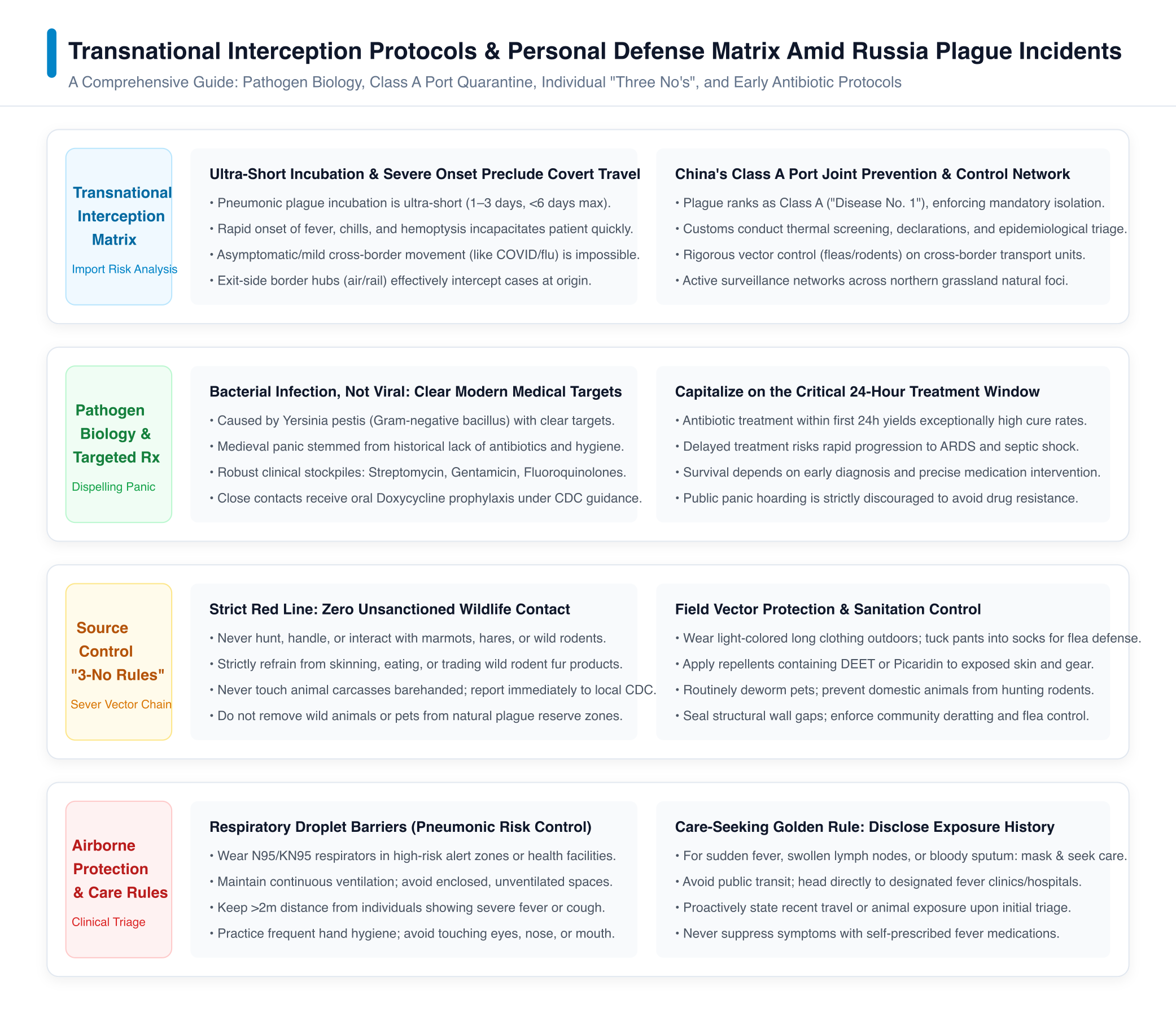
Figure 2: Cross-border transmission interception architecture and civilian defensive matrix.
II. Demystifying Plague: The Decisive Efficacy of Modern Therapeutics
The word “plague” instinctively evokes the catastrophic Black Death of the 14th century, which wiped out a third of Europe’s population. However, the therapeutic landscape has fundamentally evolved:
1. Bacterial Etiology vs. Viral Ambiguity
The causative agent of plague is Yersinia pestis, a Gram-negative coccobacillus. Bacterial infections operate under an entirely different clinical paradigm than viral ones. While viral medicine often relies on supportive care, host immunity, or broad-spectrum replication inhibitors, medicine possesses precise, targeted, and lethal weapons against bacteria: antibiotics.
The medieval world was defenseless because it lacked optics to identify the pathogen and pharmacology to dismantle it. Modern clinical protocols, by contrast, rely on baseline, scalable therapeutics to which Yersinia pestis remains broadly and reliably susceptible:
- First-Line Bactericidal Regimens: Aminoglycosides (streptomycin, gentamicin);
- Second-Line and Adjunctive Therapies: Fluoroquinolones (ciprofloxacin, levofloxacin), tetracyclines (doxycycline), and chloramphenicol.
2. The Golden 24-Hour Therapeutic Window
Clinical epidemiological data confirms that when diagnosed and treated with targeted antibiotics early—specifically within the first 24 hours of symptom onset—even fulminant pneumonic plague yields high survival rates.
Modern mortality from plague stems almost entirely from delayed presentation that progresses to septic shock and multi-organ failure, not an intrinsic lack of pharmacological efficacy. The rational baseline is not to hoard antibiotics, but to recognize acute early markers and seek immediate medical evaluation.
III. An Empirical Guide to Individual Defense and Wilderness Preparedness
While cross-border transmission into major population centers remains an edge-case scenario, anyone engaged in nomadic travel, remote living, or backcountry transit should master the baseline principles of zoonotic defense:
1. Absolute Boundaries Regarding Wildlife (The “Three No’s”)
The primary ecological pathway for bubonic plague is straightforward: Rodent/Marmot ➔ Flea ➔ Human, or direct percutaneous exposure to the blood and bodily fluids of an infected host during skinning or butchering:
Core Field Defensive Mandate
- No Hunting or Harassment: When traveling across the grasslands of Qinghai, Gansu, Tibet, Inner Mongolia, Xinjiang, or Central Asia, never hunt, handle, feed, or approach marmots (tarbagans), ground squirrels, or wild hares.
- No Skinning or Consumption: Never handle carcasses, skin, or consume meat derived from wild rodent populations.
- No Transport Out of Endemic Foci: Under no circumstances should wild captures or potentially exposed stray animals be moved out of rural or endemic pasture zones.
2. Vector Mitigation and Environmental Control
Fleas serve as the biological vector bridging wild reservoirs and human hosts. Operating in grasslands, scrub, or woodland environments requires physical and chemical barriers:
- Mechanical Defense: Wear light-colored clothing to spot insects quickly. Tuck pant cuffs firmly into socks and fasten sleeves
Related Research & Topics
Tello Mobile eSIM
SafetyWing Nomad Insurance
* Disclosure: This post contains affiliate links. If you make a purchase through these links, V-G Journal may earn a small commission at no additional cost to you. We only recommend services we independently evaluate and trust.
FIRE and Golf:自由旅居之路
专注于为追求 FIRE 与品质生活的人群提供特惠打球权益与候鸟微度假。不持一砖一瓦,运营品质生活。