The Pharmacodynamics of Power: Dominance, Atrophy, and the Ledger of Withdrawal
While Henry Kissinger famously called power the ultimate aphrodisiac, the long-term organizational reality reveals it to be a potent opium. This essay deconstructs the transition of power from an instrument of frictionless dominance to a mechanism of deep-seated addiction and existential fear.

Executive Summary: Henry Kissinger’s dictum that “power is the ultimate aphrodisiac” captures only the initial surge of the phenomenon. In the long-cycle operation of institutions, power almost invariably evolves into an “opium” with agonizing withdrawal symptoms. These metaphors are not merely literary; they describe the same neurological and sociological mechanism at different stages of its lifecycle: the early stage is the exhilaration of the will penetrating reality without friction; the late stage is the paralyzing fear of falling once the “immunity shield” of the office is stripped away.
I. The High: The Frictionless Penetration of Reality
In the mundane world of civil cooperation, the cost of exercising one’s will is prohibitively high. It involves constant negotiation, compromise, the endurance of friction, and the inevitability of rejection. For the average individual, intent is constantly blunted by the jagged edges of the objective world.
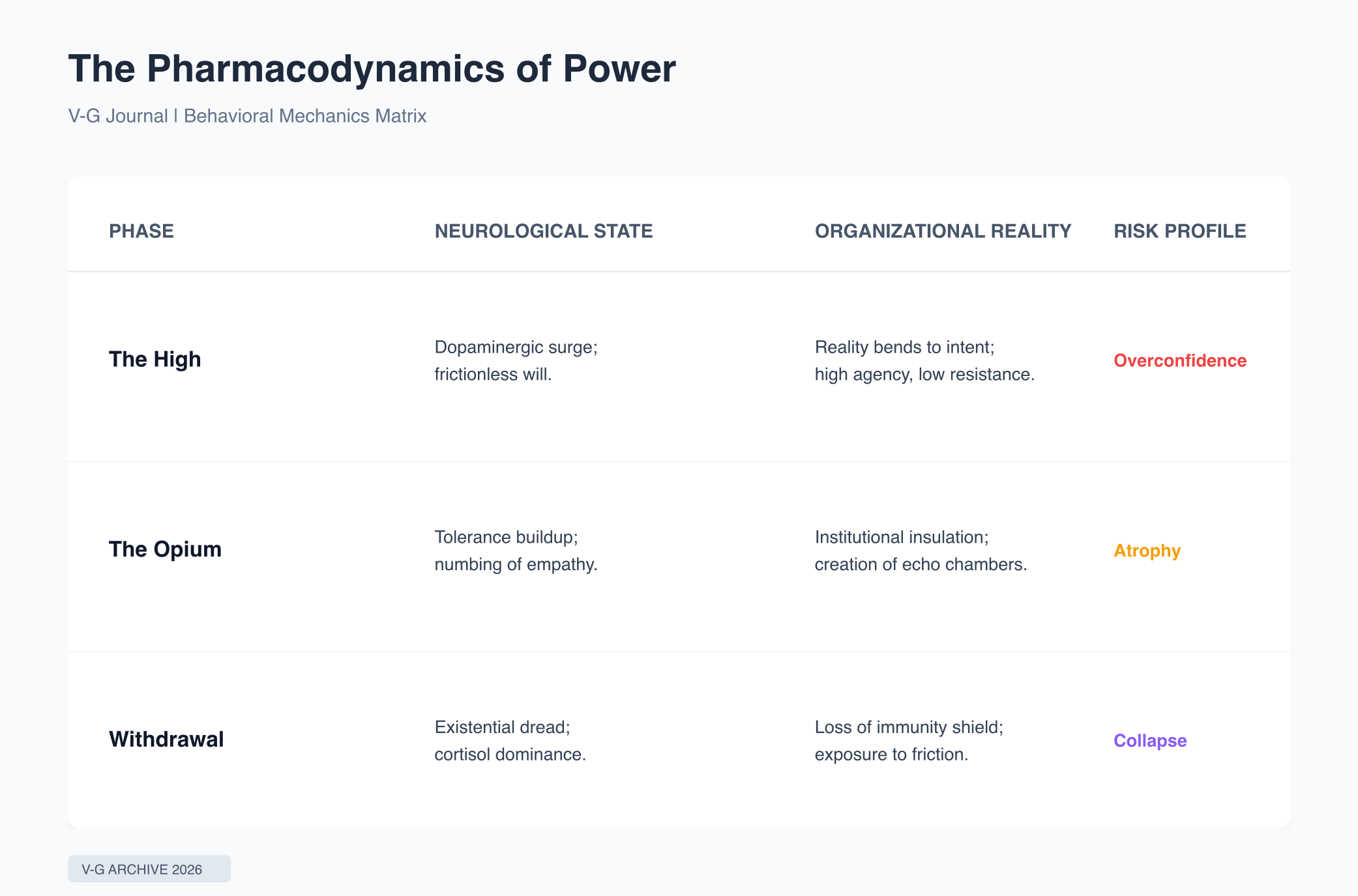
Figure 1: Henry Kissinger. His observation on power as an aphrodisiac highlights the intense neurological reward mechanism triggered by total control.
The essence of power is the legitimate coercive force to mobilize resources and regulate the behavior of others within a specific organizational boundary. When an individual ascends to a position of significant authority, the resistance of the real world is smoothed over by the institutional machine:
- A single signature redirects billions in capital and vast logistical chains.
- A decision made in a boardroom instantly reconfigures the career trajectories and labor of hundreds.
- Dissent, noise, and implementation friction are filtered out by the hierarchy before they ever reach the leader’s desk.
This phenomenon—the individual will reconfiguring physical reality without the need for compromise—triggers a high-concentration surge of dopamine and testosterone in the brain’s reward circuitry.
Neurobiological and social psychological research confirms that high-dominance positions significantly reduce “social disinhibition.” Scruples, shame, and empathetic pressures recede, while feelings of omnipotence and decisiveness are amplified. The external environment acts as an accelerant: the power to allocate scarce resources is often misperceived by observers as personal charisma or superior intellect. The “aphrodisiac” effect is not merely physiological; it is the rapid positive feedback loop of a micro-individual magnifying their will into a macro-rule.
II. The Addiction: Tolerance, Atrophy, and the Cost of Withdrawal
Pharmacological addiction is defined by two rigid metrics: diminishing tolerance (the need for higher doses to achieve the same effect) and acute withdrawal (the inability to bear the cost of cessation). The trajectory of power within an organization mirrors these perfectly.
1. The Marginal Depreciation of Control
The neurological excitement of dominating reality experiences rapid diminishing marginal utility.
Initially, managing a ten-person team or signing a million-dollar contract might cause sleepless nights of exhilaration. But as these actions become routine, the brain desensitizes. To maintain the same level of perceived control and psychological security, the individual must seek broader jurisdictions, more absolute exclusivity in decision-making, and an environment with fewer checks and balances. The appetite of power is psychologically incapable of self-saturation. This rising threshold constitutes the first engine of addiction.
2. The “Greenhouse Atrophy” of Competence
The sustained exercise of power necessitates an information-filtering network. Subordinates, seeking to mitigate risk, instinctively curate data, polish metrics, and align their reports with the leader’s known biases.
Long-term immersion in this administrative greenhouse—surrounded by privilege, adulation, and the absence of friction—causes the “muscles” required to navigate the complex resistances of the real world to undergo organic atrophy.
As explored in our analysis of Workplace Asset Depreciation, once the institutional credit and administrative armor are stripped away, most power-holders find themselves lacking the independent survival skills required for a highly symmetrical, ruthlessly competitive market. This atrophy creates a fatal, parasitic bond with the institution. Power becomes the sole pillar of self-identity; without it, the individual can no longer validate their own existence.
3. The Prohibitive Cost of Withdrawal and Retribution
The cost of quitting a common vice is usually limited to temporary physiological discomfort. The withdrawal from power, however, often involves the total collapse of one’s personal safety perimeter.
In the game theory of organizations, power is not just an offensive weapon for resource allocation; it is a defensive shield against accountability. Over a long tenure, a power-holder inevitably forms factions, disrupts existing interests, and leaves behind a “ledger” of regulatory shortcuts and controversial rulings.
As discussed in our Legal Analysis of Bribery and Sentencing, while in office, institutional authority suppresses potential challenges and audits. But the moment power is lost, the countervailing forces that were forcibly suppressed surge back. At this stage, the drive to cling to power is no longer about the dopamine high of dominance, but the visceral terror of the fall. This survival instinct locks the cycle of addiction.
III. The Lifecycle of Alienation: From Tool to Master
The transition from “aphrodisiac” to “opium” reveals a three-stage alienation of the human condition:
- Stage I: Power as Instrument (The High · Aphrodisiac Effect): The individual uses institutional tools to mobilize resources and realize strategic ambitions, experiencing a surge in self-efficacy and creativity.
- Stage II: Power as Defense (The Tolerance Phase · Structural Protection): Marginal pleasure blunts. Competitive threats rise. Power shifts from a “means” to achieve constructive goals to an “end in itself”—a defensive perimeter to exclude rivals.
- Stage III: Power as Master (The Addiction Phase · Opium Effect): The individual is fully hijacked by the logic of the machine. They are consumed by the fear of retribution, unable to let go even when physically and mentally exhausted.
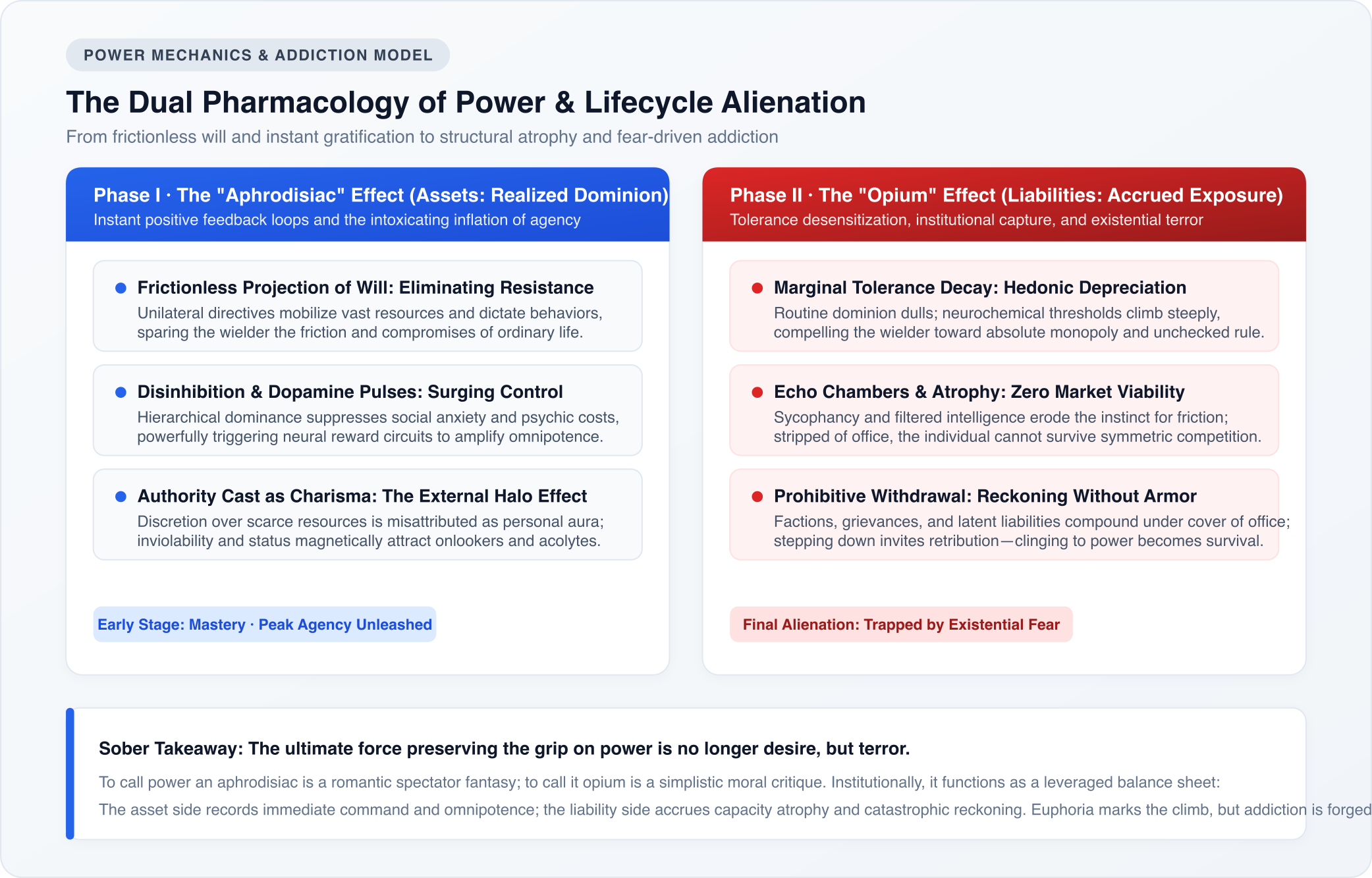
Figure 2: The Dual Pharmacological Mechanism of Power: From the realization of dominance in the first half to the accrual of institutional risk in the second.
Lord Acton’s famous maxim—“Power tends to corrupt, and absolute power corrupts absolutely”—finds a more concrete definition in modern cognitive science: this corruption is not just moral, but a cognitive alienation born of sensory blunting, information cocoons, and existential dread.
IV. The Cold Conclusion: A High-Leverage Balance Sheet
To view power solely as an aphrodisiac is a romanticization by the spectator. To view it solely as opium is a simplistic moral critique.
Through the lens of institutional reality, power is more accurately described as a high-leverage balance sheet:
| Accounting Dimension | Asset Side (Early Stage · Aphrodisiac) | Liability Side (Late Stage · Opium) |
|---|---|---|
| Immediate Return | Frictionless dominance; dopamine reward activation. | Depreciation of real competence; parasitic dependence on the platform. |
| Psychological State | Suppression of anxiety; sense of omnipotence; social halo. | Diminishing marginal pleasure; rising thresholds; paranoia of losing control. |
| External Relations | Authority to set rules; immediate compliance; curated information. | Decision-making distortion via information cocoons; “shadow ledgers” of factional conflict. |
| Liquidation Cost | Ability to suppress dissent through active authority. | Irreversible risk of retribution once the “immunity shield” is removed. |
The exhilaration belongs only to the ascent; the addiction permeates every breath of the plateau and the descent.
Deep within the corridors of power, the force that compels an individual to hold on—even when trembling with exhaustion—is no longer the pleasure of command. It is the profound terror of the reality that awaits them once the armor is gone.
Modern civilization’s pursuit of checks and balances, term limits, and procedural transparency is not merely a safeguard for society. From the perspective of institutional rationality, these are mercy mechanisms: they forcibly decouple the power-holder from the cycle of “aphrodisiacal fever” and “opiate execution,” preventing the human spirit from being incinerated by the very dominance it once craved.
Related Research & Topics
The Self-Strengthening Movement's Systemic Deadlock: Why Late Qing Acquired Warships, But Never Reformed Its Governance
The Anatomy of Digital Predation: Inside the Syndicate Targeting the Elderly via Livestream Appraisal Scams
Tello Mobile eSIM
SafetyWing Nomad Insurance
* Disclosure: This post contains affiliate links. If you make a purchase through these links, V-G Journal may earn a small commission at no additional cost to you. We only recommend services we independently evaluate and trust.
FIRE and Golf:自由旅居之路
专注于为追求 FIRE 与品质生活的人群提供特惠打球权益与候鸟微度假。不持一砖一瓦,运营品质生活。