The Fall of Huang Qifan: A Post-Mortem on Chongqing’s Fifteen-Year Power Cycle
Following the formal investigation of former Chongqing Mayor Huang Qifan, we analyze the collapse of a political titan. This report examines the intersection of his economic engineering, the systemic purging of Chongqing’s leadership, and the rigid reality of anti-corruption accountability.

Executive Summary: On the afternoon of October 13, 2026, the Central Commission for Discipline Inspection (CCDI) announced that Huang Qifan, former Deputy Party Secretary and Mayor of Chongqing, is under investigation for severe disciplinary and legal violations. A figure who governed Chongqing for 15 years and was long celebrated as a “political survivor” and a “celebrity economist,” Huang’s fall—nearly a decade after leaving office—marks the final piece of a complex puzzle in Chongqing’s political history. From his tenure alongside Bo Xilai and Sun Zhengcai to the systematic collapse of four consecutive police chiefs, Huang’s investigation underscores the absolute rigidity of the state’s “look-back” mechanism in auditing cross-cycle asset restructuring and political-business entanglements.
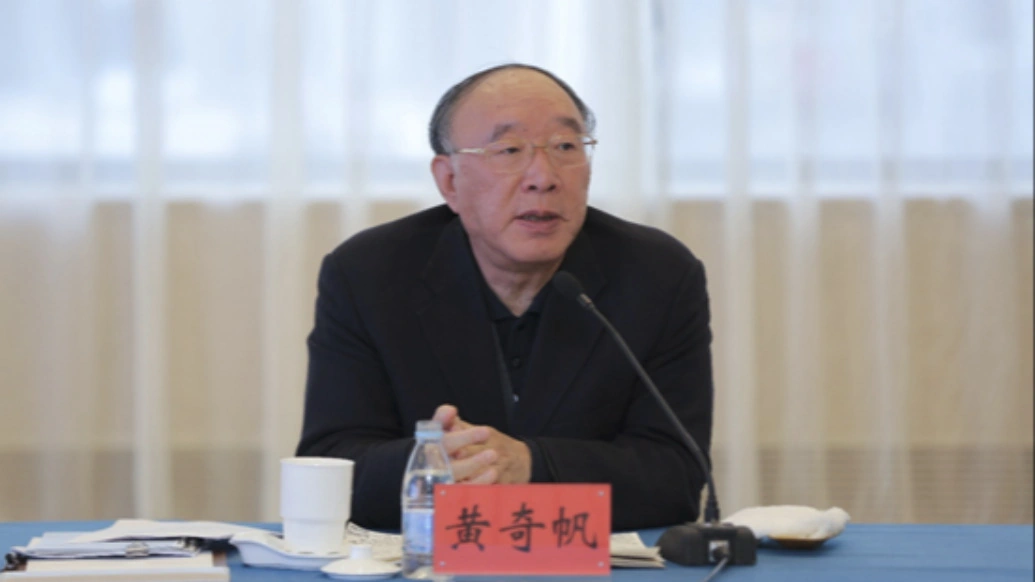
Figure 1: Huang Qifan during his tenure as a public economic commentator.
I. Fact Check: The Official Announcement and Case Status
On the evening of October 13, 2026, the CCDI issued a concise statement, immediately disseminated by Xinhua and national media outlets.
| Dimension | Verification Details |
|---|---|
| Announcement Time | October 13, 2026, 17:00 |
| Issuing Body | CCDI and National Supervisory Commission |
| Official Text | “Huang Qifan, former Deputy Party Secretary and Mayor of Chongqing, is suspected of serious disciplinary and legal violations and is currently undergoing disciplinary review and supervisory investigation.” |
| Case Stage | Initial investigation (case opened) |
| Conclusion | Confirmed. Rumors sparked by his recent absence from a scheduled forum have been officially validated. |
In the days preceding the announcement, whispers circulated within financial circles regarding the sudden cancellation of Huang’s keynote speech at a think-tank forum in Hangzhou. The official notice has now closed the window on speculation.
From a procedural standpoint, the case is in its infancy. No specific charges have been disclosed. Historically, investigations into long-serving municipal leaders focus on public works procurement, land grants, state-owned enterprise (SOE) restructuring, and the operation of municipal investment vehicles. Furthermore, investigators are likely scrutinizing the “revolving door” between his post-retirement roles in private equity and commercial think tanks.
II. A 48-Year Trajectory: From Pudong to the Southwest
Born in 1952, Huang’s career spanned nearly five decades, bridging the industrial heartlands of Shanghai with the rapid urbanization of Chongqing.
1. The Shanghai Era: Pudong and Economic Reform (1968–2001)
Huang spent 33 years in Shanghai, rising from a factory floor worker at the Shanghai Coking Plant to a key architect of the Pudong New Area. His early career was defined by industrial management and the strategic planning of Pudong’s development, providing him with the technical foundation for the complex asset-reorganization models he would later deploy in the west.
2. The Chongqing Era: The “Eight Vehicles” and Vertical Integration (2001–2016)
During his 15-year tenure in Chongqing, Huang became synonymous with a specific brand of state-led economic engineering:
- The “Eight Vehicles” Model: He consolidated land and infrastructure assets into state-owned conglomerates, using land-value appreciation to leverage massive credit for urban construction.
- The “Land Ticket” System: A mechanism for trading rural construction land quotas, designed to balance urban expansion with agricultural protection.
- Vertical Integration: He successfully courted global tech giants like HP and Foxconn, transforming Chongqing into a global hub for laptop manufacturing.
3. The “Celebrity Scholar” Phase
After retiring from official posts in 2018, Huang remained a fixture in the public eye, leveraging platforms like the China Finance 40 Forum to opine on debt restructuring and the “dual circulation” strategy. His books became required reading for those attempting to decode the logic of China’s economic policy.
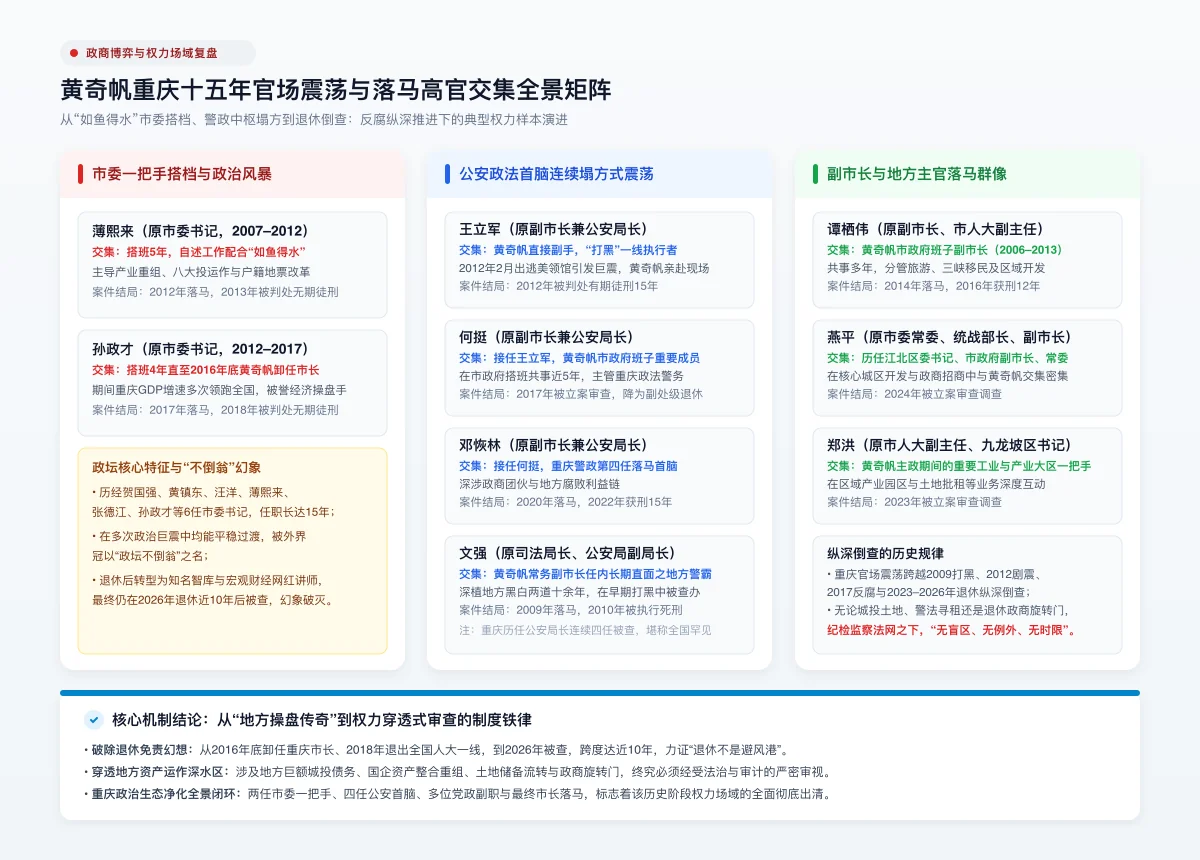
Figure 2: The matrix of Chongqing’s political landscape and fallen officials.
III. The Chongqing Purge: A Network of Fallen Peers
Huang’s tenure was marked by extreme political volatility. His survival through multiple leadership shifts earned him the moniker “The Political Tumbler,” but his peers were not as fortunate.
1. The Two Party Secretaries
Huang served under six Party Secretaries, but his most prominent partners faced severe judicial outcomes:
- Bo Xilai: Huang famously described their relationship as “like a fish in water.” Bo was sentenced to life imprisonment in 2013 for bribery, embezzlement, and abuse of power.
- Sun Zhengcai: Serving alongside Huang for four years, Sun was sentenced to life imprisonment in 2018 for accepting over 170 million RMB in bribes.
2. The Police Chiefs
Perhaps most damning is the collapse of four consecutive police chiefs during Huang’s time in office:
- Wen Qiang: Executed in 2010 for corruption and protecting organized crime.
- Wang Lijun: The catalyst for the 2012 political crisis; sentenced to 15 years.
- He Ting: Demoted in 2017 for “climbing” (seeking promotion through illicit ties).
- Deng Huilin: Sentenced to 15 years in 2022 for political and financial corruption.
IV. The Institutional Logic of the Purge
Huang’s investigation shatters the illusion that professional competence or retirement provides immunity from the state’s anti-corruption apparatus.
1. The End of “Technical Immunity”
For years, Huang’s reputation as a “technocrat” shielded him from the scrutiny applied to more overtly political figures. His fall confirms that the state’s “look-back” mechanism is indifferent to one’s status as a “celebrity economist.” Corruption, regardless of how sophisticated the financial engineering, remains a target for total liquidation.
2. The Cost of High-Leverage Governance
Huang’s “success” was built on the aggressive use of state-controlled assets to drive growth. While this created an infrastructure boom, it also generated massive, opaque local debt and created a fertile environment for rent-seeking. The investigation into Huang is not merely a personal reckoning; it is a systemic audit of the high-leverage, high-growth model that defined a decade of Chinese municipal governance.
The “Political Tumbler” has finally fallen, signaling that in the current era, no historical account remains unsettled.
Related Research & Topics
Tello Mobile eSIM
SafetyWing Nomad Insurance
* Disclosure: This post contains affiliate links. If you make a purchase through these links, V-G Journal may earn a small commission at no additional cost to you. We only recommend services we independently evaluate and trust.
FIRE and Golf:自由旅居之路
专注于为追求 FIRE 与品质生活的人群提供特惠打球权益与候鸟微度假。不持一砖一瓦,运营品质生活。