The Architecture of Autonomy: Why Freedom is a Survival Mechanism
Freedom is not a poetic abstraction but a vital survival mechanism. When decision-making power is decoupled from the burden of consequences, the individual inevitably becomes a consumable resource. This essay explores why the right to exit and the preservation of agency are the only defenses against systemic exploitation.

Editor’s Note: Many treat freedom as a moral luxury or a poetic fantasy, often succumbing to the dangerous temptation of compromise: trading away slices of agency for the promise of stability, order, or shelter. This is a transaction built on a fraudulent contract. We require freedom not for romantic ideals, but for the most pragmatic of survival logics. Pain is non-transferable; those who bear the consequences must hold the steering wheel.
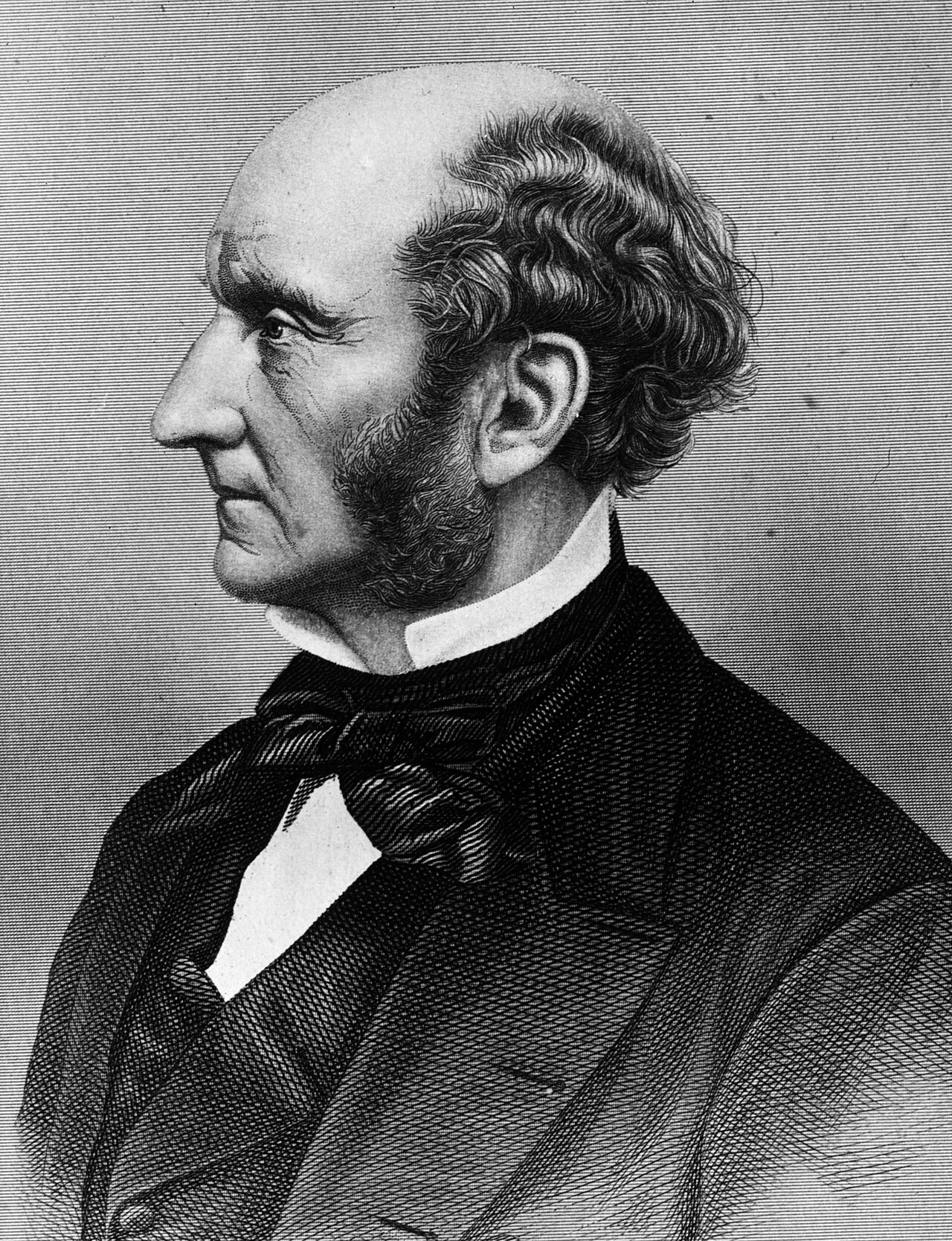
Figure 1: John Stuart Mill (1806—1873), whose seminal work “On Liberty” established the boundaries of intellectual trial-and-error and individual negative liberty.
I. The Foundation of Negative Liberty: The Power to Say “No”
True freedom is not “doing whatever one wants”—that is mere indulgence or privilege. The bedrock of freedom is negative: it is the right to refuse to be the collateral damage of another’s agenda.
When an individual loses this freedom, they are effectively domesticated, regardless of how comfortable the cage may be. The distinction between living and being kept is simple: the frequency of the feeding, the quality of the trough, and the eventual date of slaughter are decisions made by someone else.
Without the freedom to refuse compliance or reject indoctrination, your assets, status, and security are merely temporary privileges loaned to you by the system. When the logic of power shifts, the system can strip you of everything without your consent.
Possessing freedom means maintaining a legal and psychological perimeter. It is the ability to calmly state, “I do not participate,” and to retain the physical and mental space to withdraw. This capacity to say “no” without being crushed is the first armor of negative liberty.
II. The Non-Transferability of Pain: Asymmetry in Risk
The most pervasive alienation in modern society occurs when systems or authorities insist on making decisions for the individual, while the individual alone bears the physical and emotional cost when things go wrong.
If your career trajectory, intellectual leanings, and lifestyle are curated by others, you are not exempt from risk. You are, in fact, carrying the maximum systemic risk—because the entity making the decisions neither feels your pain nor pays for your collapse.
Freedom is indispensable because pain is non-transferable. Hunger, illness, humiliation, and failure fall upon the individual, not the collective. As explored in our analysis of cost conservation and load-shedding mechanisms, systems are hardwired to offload unforeseen shocks onto the peripheral units that lack defensive depth.
Since you are the final destination for the consequences, you must retain the initial right to choose, to experiment, and to decide. Stripping an individual of choice while maintaining their obligation to bear the cost is the most insidious form of extraction in human history.
III. Beyond Instrumentalization: The Individual as an End
In any system obsessed with efficiency or absolute control, the individual faces a constant downward pull toward becoming a mere component or “consumable.”
Systems measure humans by functional utility: output, obedience, and structural integrity. In this logic, human emotion, dignity, and independent thought are viewed as friction costs. When micro-rhythms are forcibly reorganized by external will—as seen in the imposition of artificial holiday structures—the individual is inevitably consumed by the system’s temporal demands.
In Kantian philosophy and modern rights theory, the human is an “end in themselves,” not a means to an end. Freedom constructs an inviolable boundary between the individual and the system. It establishes a fundamental premise: you are not a tool for someone else’s objective.
Only when you possess an independent mental territory and property boundary can your interactions with the world be based on voluntary, equal contracts rather than the unilateral domination of the strong over the weak.
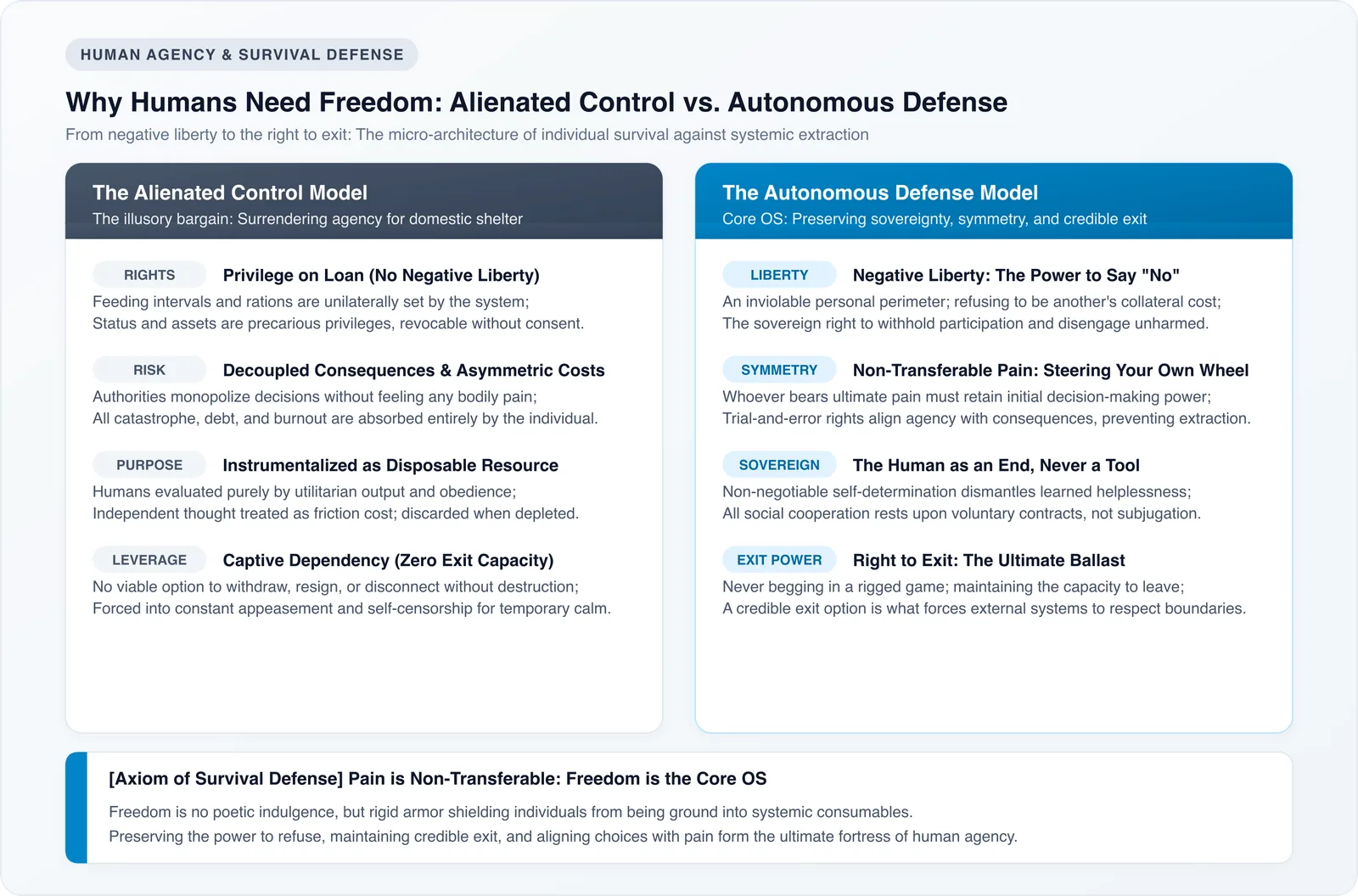
Figure 2: A comparative matrix of individual freedom defense mechanisms versus models of alienated control.
IV. The Right to Exit: The Ballast of Dignity
In game theory, the most vulnerable participant is always the one who “cannot leave.”
If you cannot quit, an employer can extract your surplus value indefinitely. If you cannot reject a social standard, the environment can hold you hostage via public opinion. If you cannot exit the jurisdiction of a rule, those who write the rules have no incentive to respect your interests.
The highest form of freedom is not competing for a louder voice within a rigged game; it is the right to close the lid and walk away. The existence of an exit strategy—and the courage to use it—liberates the individual from the need to flatter, attach, or self-censor for the sake of security. The mere existence of the right to exit is the ultimate deterrent against unilateral exploitation.
V. Symmetry of Responsibility and Cognitive Evolution
Beyond game theory and defense, freedom is the engine of psychological and social evolution:
| Analytical Dimension | State of Controlled Alienation | State of Autonomous Integrity | Evolutionary Outcome |
|---|---|---|---|
| Psychological Needs | Externally imposed control; learned helplessness | Satisfaction of autonomy (Self-Determination Theory) | Resilience and self-esteem |
| Ethics | No real choice; forced compliance | Full accountability for consequences | Mature character and moral boundaries |
| Cognitive Innovation | Homogenized thought; stagnant feedback loops | Space for trial, error, and exploration | Scientific and cultural progress |
As Mill argued, the freedom of thought, expression, and action is the necessary mechanism for testing truth and correcting error. Homogenized environments stifle creativity, whereas the diversity born of freedom is the primary driver of systemic anti-fragility.
VI. Protecting the Operating System of the Self
We require freedom not to ascend into a void, but to preserve the basic qualifications of being human within a muddy reality.
Freedom is not a decorative ornament; it is the underlying operating system of the individual. Once you surrender the administrative privileges of your own life, it is only a matter of time before the system formats your drive.
Regardless of how the external environment shifts, guarding the boundaries of negative liberty, upholding the principle of symmetry between power and responsibility, and honing the ability to exit gracefully remain the most hardcore defenses for preserving dignity and autonomy.
Related Research & Topics
The Anatomy of Digital Predation: Inside the Syndicate Targeting the Elderly via Livestream Appraisal Scams
Starlink V4 and the Low-Earth Orbit Satellite Arms Race: How a 100,000-Node Optical Mesh Pierces the Submarine Cable Monopoly
Tello Mobile eSIM
SafetyWing Nomad Insurance
* Disclosure: This post contains affiliate links. If you make a purchase through these links, V-G Journal may earn a small commission at no additional cost to you. We only recommend services we independently evaluate and trust.
FIRE and Golf:自由旅居之路
专注于为追求 FIRE 与品质生活的人群提供特惠打球权益与候鸟微度假。不持一砖一瓦,运营品质生活。