The Temporal Fold: A Strategic Guide to the Waldorf Astoria Shanghai on the Bund
An analytical deep dive into the spatial assets of Hilton’s flagship property, balancing the neo-classical heritage of the Shanghai Club with the modern Lujiazui skyline.

Executive Summary: Situated at No. 2 Zhongshan East First Road, the Waldorf Astoria Shanghai on the Bund serves as the brand’s flagship in the Asia-Pacific. Its core spatial tension arises from a “temporal fold”—the seamless integration of the 1910 British Renaissance-style Shanghai Club (Heritage Building) with a contemporary 24-story tower. For the discerning traveler, the primary decision logic lies in choosing between the immersive historical gravity of the heritage suites and the expansive, high-altitude views of the Lujiazui skyline across the Huangpu River’s S-curve.
I. Brand DNA: The Zenith of the Hilton Hierarchy
Within the Hilton Global portfolio, the Waldorf Astoria sits at the apex of the luxury matrix, alongside Conrad and LXR. However, its century-old pedigree and cultural weight remain unparalleled.
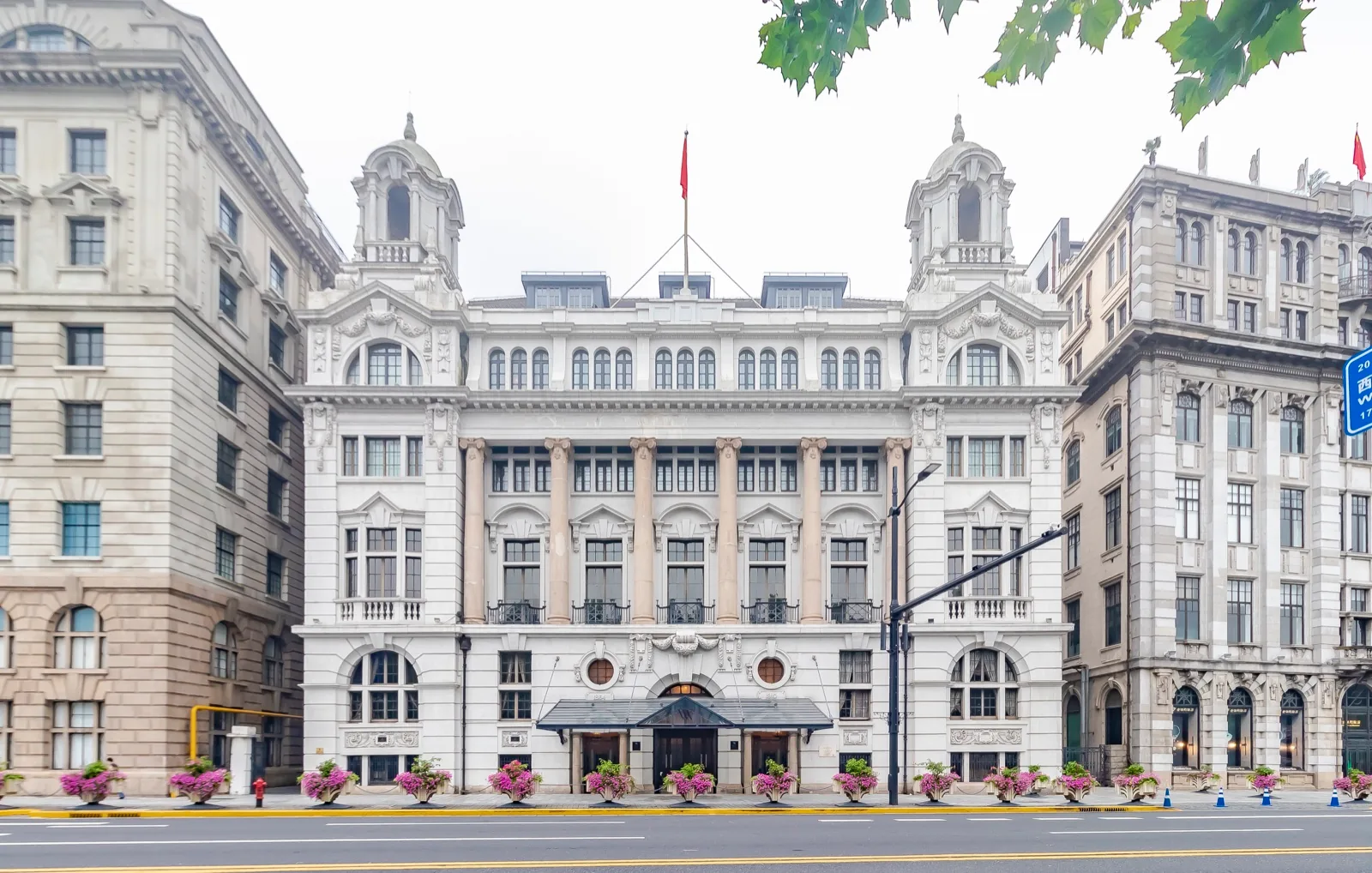
Figure 1: The neo-classical facade of the Heritage Building, completed in 1910 (Photo: Huangdan2060 / Wikimedia Commons)
1. Manhattan Origins and the Standardization of Luxury
The Waldorf’s lineage traces back to 1893 on New York’s Fifth Avenue, founded by the Astor family. During the “Gilded Age,” the New York Waldorf was not merely a stage for the global elite; it pioneered the service standards that define modern hospitality:
- In-Room Communication: The first luxury hotel to implement a comprehensive guest room telephone network.
- Room Service: Transforming traditional banquet dining into a 24-hour private, exclusive experience.
- The Suite Logic: Establishing the modern luxury layout that strictly partitions the living room, reception area, and master bedroom.
2. Cultural Totems and “True Waldorf Service”
Every Waldorf Astoria globally adheres to a century-old symbolic system:
- Peacock Alley: Originally the corridor connecting the two main buildings in New York, it was the place to “see and be seen.” Today, it serves as the social heart of each property.
- The Grand Clock: A bespoke mechanical timepiece resides in every lobby, serving as the spiritual anchor and classic meeting point.
- Culinary Legacies: The Waldorf Salad, Eggs Benedict, and Red Velvet Cake—all born in the Waldorf kitchens.
- True Waldorf Service: A philosophy of non-intrusive concierge service—anticipating needs before arrival and remaining responsive yet discreet throughout the stay.
II. Spatial Configuration: The Architecture of Two Eras
Opened in 2011, the Waldorf Astoria Shanghai’s most unique physical asset is its dual-building composition, linked by underground passages and opulent interior galleries.
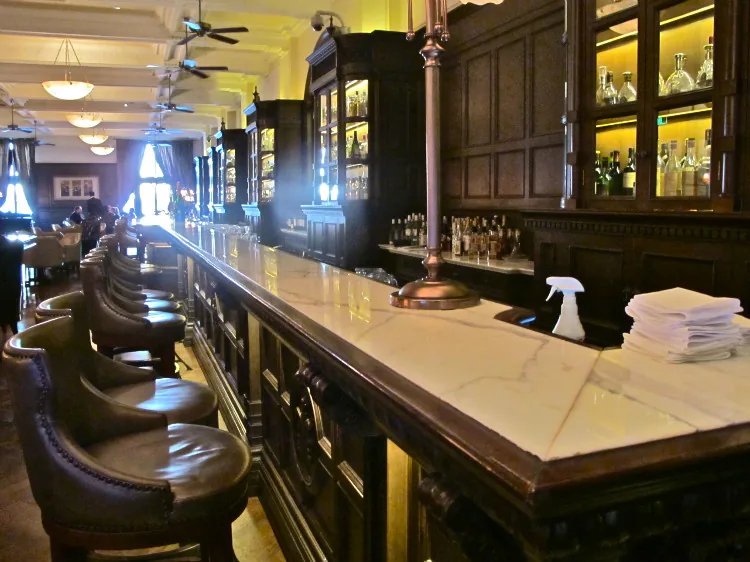
Figure 2: The 34-meter Long Bar, meticulously preserved with its 1911 dark mahogany finish (Photo: Shanghai Club Collection / Wikimedia Commons)
1. The Heritage Building (The Former Shanghai Club)
- Historical Context: The entrance at No. 2 Zhongshan East First Road marks the southern start of the Bund. Designed by British architect H. Tarrant, this neo-classical structure was once the “Shanghai Club,” the premier social hub for the Far East’s foreign elite.
- Heritage Assets:
- The Long Bar: At 34 meters, it was once the longest bar in the Far East. The dark mahogany craftsmanship remains a testament to early 20th-century gentleman’s club aesthetics.
- The Canary Cage Elevator: A rare, triangular wooden manual elevator from a century ago, still fully operational.
- High-Ceiling Suites: Spanning five floors, this wing contains only about 20 suites. With ceilings exceeding four meters, classical marble fireplaces, and intricate plasterwork, it offers a pure immersion into Shanghai’s colonial history.
2. The Waldorf Astoria Tower
- Architectural Form: A modern 24-story tower located on the Sichuan Middle Road side, housing over 200 contemporary luxury rooms and suites.
- Functionality: This tower holds the bulk of the hotel’s inventory, the heated indoor pool, the Waldorf Spa, and grand ballrooms. Its strategic value lies in its height, allowing it to clear the rooflines of the Bund’s protected buildings to offer unobstructed views of the Lujiazui skyline.
III. The Lujiazui Skyline: A Study in Visual Tension
The visual experience of Lujiazui varies wildly depending on one’s position on the Bund. The Waldorf Astoria’s location at the southern curve provides a unique dramatic tension.
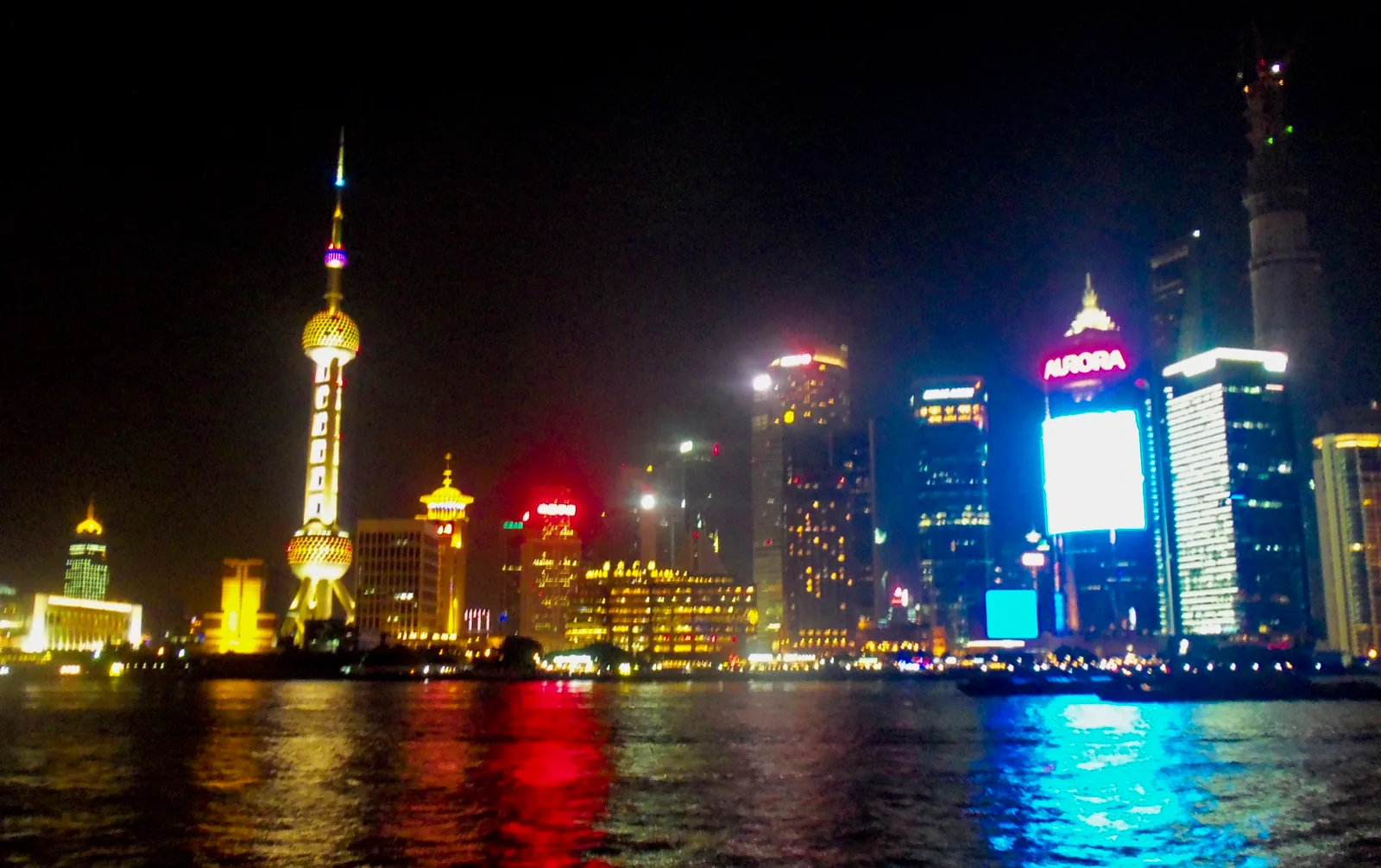
Figure 3: The juxtaposition of the Bund’s historic architecture and the futuristic skyscrapers of Pudong (Photo: Baycrest / CC BY-SA 2.5)
1. The Core Attribute: Temporal Juxtaposition
- Multi-Dimensional Composition: Unlike the North Bund or the direct frontal view from Pudong, the view from the Waldorf Tower is a three-layered depth study:
- Foreground: The stone gables and tiled roofs of the Bund’s historic buildings.
- Midground: The S-curve of the Huangpu River, bustling with ferry and cruise traffic.
- Background: The “Skyline Trio”—the Shanghai Tower (632m), World Financial Center (492m), and Jin Mao Tower (420.5m), anchored by the Oriental Pearl.
- Light and Shadow: By day, the river’s pulse is visible; by night, the warm amber glow of the Bund clashes magnificently with the neon-drenched glass curtains of Pudong.
IV. Strategic Room Selection: Heritage vs. Horizon
When booking, one must distinguish between the two buildings. They offer fundamentally different psychological experiences and lifestyle orientations.
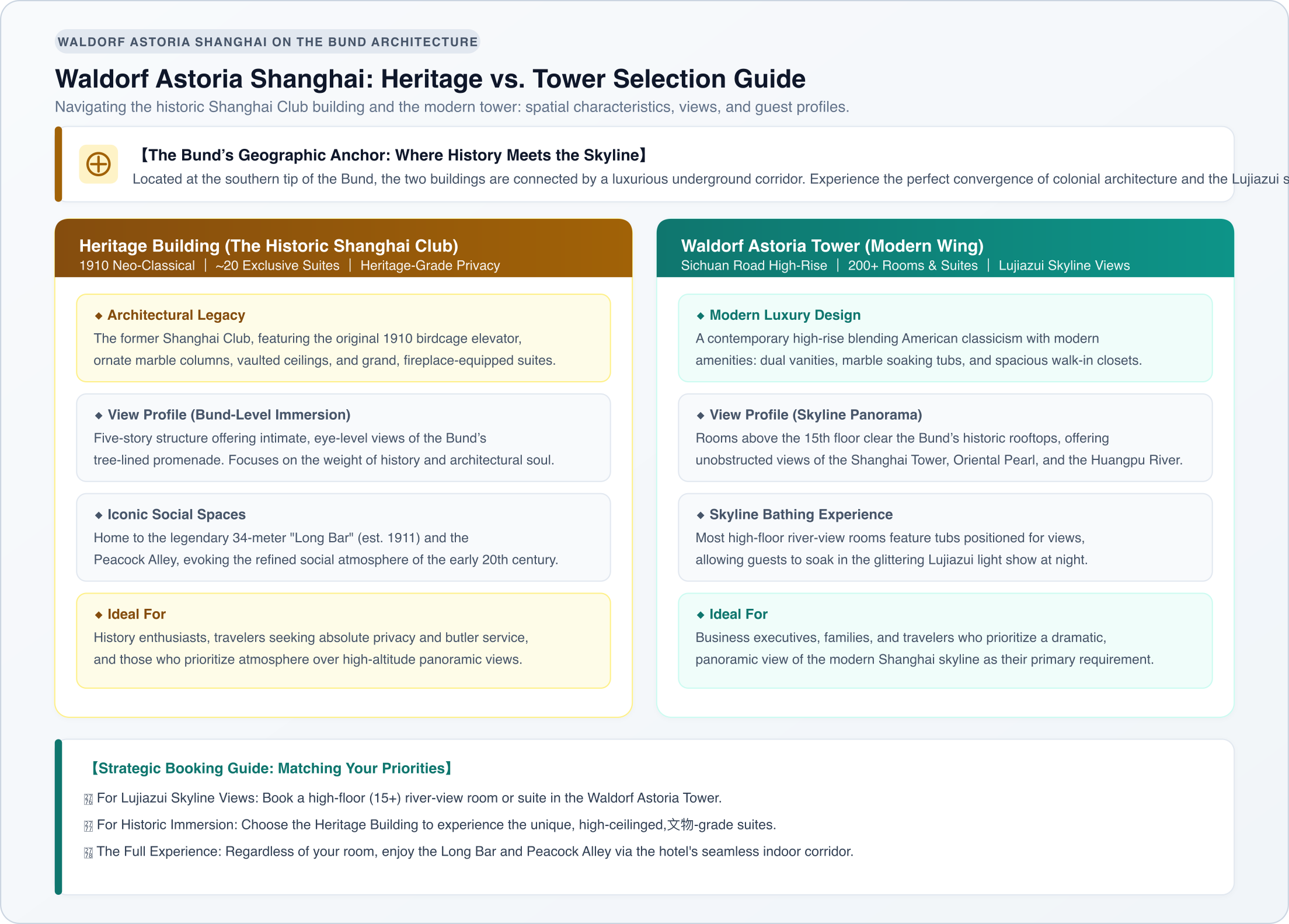
Figure 4: Decision Matrix: Heritage Building vs. Modern Tower (Source: V-G Journal)
1. Comparative Decision Matrix
| Dimension | Heritage Building | Waldorf Astoria Tower |
|---|---|---|
| Architectural Style | 1910 Neo-Classical Monument (5 Floors) | Modern High-Rise Tower (24 Floors) |
| Room Configuration | ~20 All-Suite inventory, 4m+ ceilings | 200+ Rooms/Suites, modern flow |
| River View | Low-angle view of the Bund promenade | Unobstructed Lujiazui panorama (15F+) |
| Bath Experience | Clawfoot cast-iron tubs, vintage marble | Double vanities, many with skyline views |
| Privacy Level | Exceptional (limited guest access) | High (standard luxury hotel flow) |
| Target Audience | History buffs, diplomats, privacy seekers | Business travelers, families, skyline lovers |
2. Precision Selection Tactics
- For the “Modern Skyline” Enthusiast:
- Lock the Tower: Specifically, the “Deluxe River View Room” or “River View Suite.”
- Request 15th Floor or Higher: Below the 12th floor, the view may be partially obstructed by the rooflines of the historic buildings on Zhongshan East Road. Above the 15th, the panorama is total.
- The Bath View: Select high-floor river view rooms often feature soaking tubs positioned by the window or mirrored to reflect the Pudong light show.
- For the “Old Shanghai” Purist:
- Choose the Heritage Wing: The value here is not the view, but the “living monument” status. The 4-meter ceilings, heavy wood paneling, and the slight creak of the floorboards offer a scarcity that no modern skyscraper can replicate.
V. Social Assets: The Essential Itinerary
Even for those staying in the modern tower, the social assets of the Heritage Building are accessible via the connecting galleries.
1. The Long Bar: A Liquid History
The Long Bar is a fragment of Far East social history. Now fully restored, it serves fresh oysters and a curated selection of single malts and classic cocktails. Sitting by the window at dusk, watching the flow of traffic on the Bund through century-old wooden frames, is the quintessential Shanghai experience.
2. Salon de Ville: The Red Velvet Ritual
Continuing the tradition of early 20th-century English salons, this is the venue for the signature Waldorf Red Velvet Cake. With velvet armchairs, bone china, and live harp music, it remains a high-ceremony social hub.
VI. Conclusion: The Dialogue of Eras
As the anchor of the Bund’s “International Architecture Exhibition,” the Waldorf Astoria Shanghai’s charm lies in its ability to facilitate an elegant dialogue between a century of history and a futuristic megalopolis.
For the high-net-worth traveler or the architectural enthusiast, the choice is binary: For the shock of the new and the Lujiazui horizon, choose the Tower’s upper reaches. For the touch of history and absolute seclusion, choose the Heritage suites.
Related Research & Topics
Beyond the Territorial Refuge: Costa Rica’s 15% Foreign Income Tax and the Financial Trajectory of Nomadic Capital
The Anatomy of Digital Predation: Inside the Syndicate Targeting the Elderly via Livestream Appraisal Scams
Tello Mobile eSIM
SafetyWing Nomad Insurance
* Disclosure: This post contains affiliate links. If you make a purchase through these links, V-G Journal may earn a small commission at no additional cost to you. We only recommend services we independently evaluate and trust.
FIRE and Golf:自由旅居之路
专注于为追求 FIRE 与品质生活的人群提供特惠打球权益与候鸟微度假。不持一砖一瓦,运营品质生活。