The Toledo Collision: Systemic Failure and the Jurisprudence of Disaster
A critical analysis of the 2026 Toledo high-speed rail disaster, comparing its systemic failures to the 2011 Wenzhou collision and examining the stark divergence in legal and forensic protocols between jurisdictions.

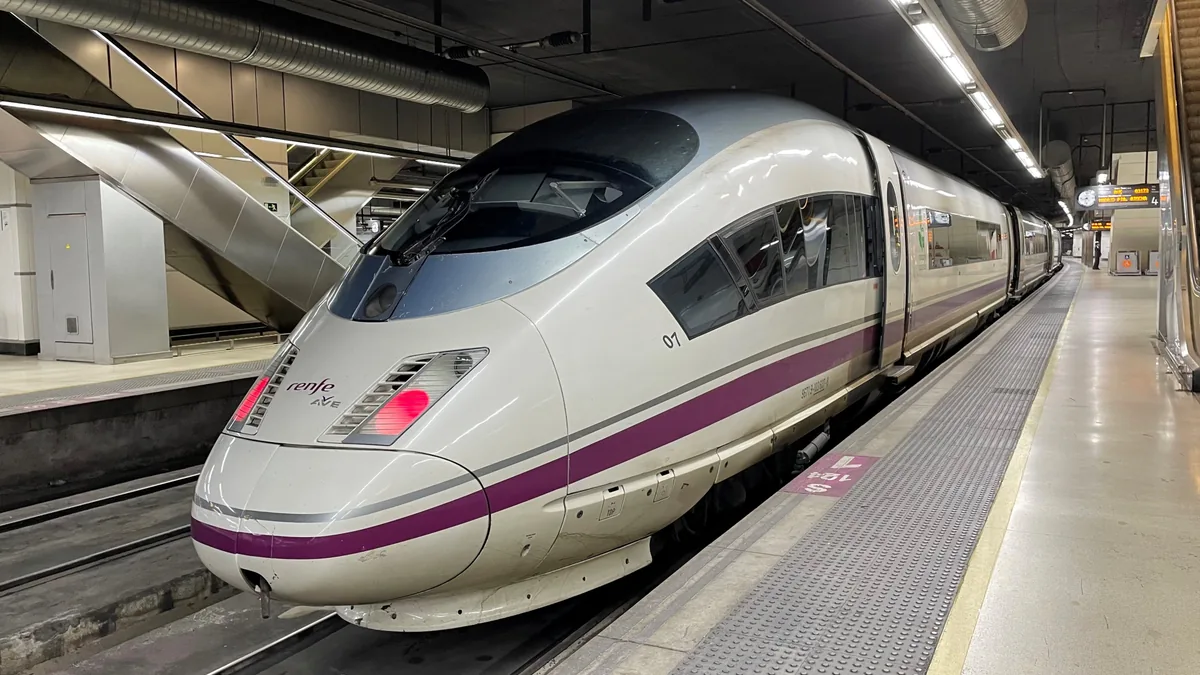
Figure 1: A Renfe AVE high-speed trainset operating on the Spanish high-speed rail network.
On the morning of October 28, 2026, at 8:54 AM, Spain—a veteran of high-speed rail excellence—suffered the most catastrophic technical failure in its modern railway history. On the Madrid-Seville trunk line, between the towns of Mora and Orgaz in the province of Toledo, two high-speed trains traveling in the same direction collided in a devastating rear-end impact.
A Renfe AVE 2080, carrying 397 passengers from Madrid Atocha to Seville, struck an Iryo 6076 train that had stalled on the main line due to a technical fault. The AVE, traveling at approximately 200 km/h, tore through the rear of the stationary train. The kinetic energy of the impact caused multiple carriages to derail and plunge from an elevated embankment. At least 68 people were killed, including former Minister of Labor Fátima Báñez, with over a hundred injured.
While public discourse often draws parallels to historical rail tragedies, the technical and systemic logic of this disaster mirrors the 2011 Wenzhou “7·23” collision in China. Though separated by fifteen years and vastly different institutional soil, both accidents reveal the same fragility: the lethal moment when automated systems fail and human operators, blinded by a lack of data, intervene with catastrophic consequences.
I. Comparative Technical Matrix
| Dimension | Toledo HSR Collision (2026.10.28) | Wenzhou “7·23” Collision (2011.07.23) |
|---|---|---|
| Location | Toledo, Spain (Madrid-Seville Line) | Wenzhou, China (Yong-Wen Line) |
| Involved Trains | Iryo 6076 (Stalled) & Renfe AVE 2080 | D3115 (Stalled) & D301 (Rear-end) |
| Control System | LZB / ETCS Level 2 | CTCS-2 |
| Impact Speed | ~200 km/h (Full speed) | ~99 km/h (Post-emergency braking) |
| Casualties | 68+ Dead, 180+ Injured | 40 Dead, 172 Injured |
| Destruction | Multiple cars derailed/fell from viaduct | 4 cars derailed; 1 hung vertically |
II. The Triple Failure Chain
Modern high-speed rail is governed by the principle of “Fail-Safe”—the iron law that any sensor failure, communication loss, or software crash must default to a “Red Signal,” physically preventing trains from entering the same block. Both the Toledo and Wenzhou disasters occurred when this automated safeguard collapsed, and human dispatchers, operating in an information vacuum, bypassed the final physical defenses.
1. The Illusion of Safety
- Wenzhou (2011): A lightning strike crippled the signaling center. A software flaw caused the system to “freeze” on the last valid state, continuously sending “Green” signals to the dispatch terminal despite the track being occupied.
- Toledo (2026): A massive communication failure in the LZB control system across the Madrid-Andalusia section caused a total synchronization breakdown between track sensors and the Atocha dispatch center. The system lost the real-time physical coordinates of all trains on the line.
2. The Fatal Human Intervention
- Toledo (2026): Despite physical signals remaining at “Red” and the stalled train not having cleared the block, the Atocha dispatch center issued an override command. This bypassed the safety interlock, allowing the AVE to enter the occupied block at full speed.
- Wenzhou (2011): Dispatchers, faced with “Red Light” alarms on their consoles, failed to verify track occupancy. They issued a manual command for the following train to proceed under “visual driving mode,” ignoring the stalled train ahead.
3. Bypassing the ATP
In both cases, the onboard Automatic Train Protection (ATP) system—designed to force an emergency stop when approaching an obstacle—was effectively neutralized. The dispatchers’ manual overrides forced the trains into a degraded mode, rendering the computer-calculated safety envelope obsolete.
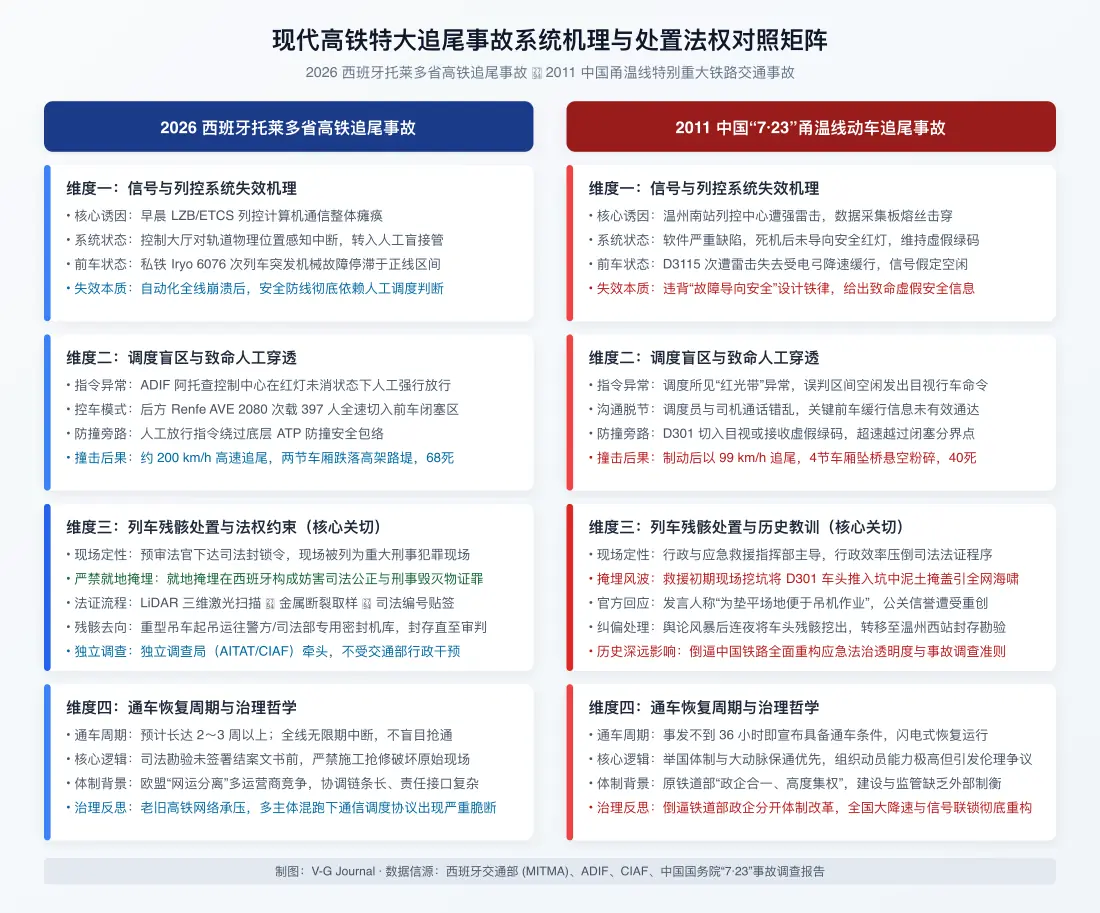
Figure 2: A comparative matrix of technical mechanisms and forensic handling.
III. Recovery Timelines: Engineering vs. Jurisprudence
Public concern regarding the reopening of the Madrid-Seville artery is high. However, the governance philosophies of Spain and China differ fundamentally.
1. The “36-Hour” Restoration (Wenzhou 2011)
In 2011, the Chinese Ministry of Railways mobilized a national-level effort to clear the site. Within 36 hours of the accident, the line was declared operational. While this demonstrated immense engineering capability, it drew global criticism for prioritizing rapid resumption over thorough forensic investigation.
2. The “Forensic Priority” (Spain 2026)
In the European legal framework, judicial forensic evidence takes absolute precedence over commercial operations.
- Crime Scene Sealing: The presiding judge in Toledo has designated the entire viaduct a crime scene. No wreckage may be moved without judicial authorization.
- Forensic Rigor: The identification of victims, DNA verification, and the mapping of the site by the Guardia Civil will take days, if not weeks.
- Structural Integrity: Before the line reopens, the viaduct must undergo rigorous structural testing to ensure the impact did not compromise the bridge’s load-bearing capacity.
IV. The Question of Wreckage Disposal
Will Spain bury the wreckage, as was infamously done in Wenzhou? The answer is a categorical no.
In the Spanish and EU legal systems, the wreckage is Corpus Delicti—the primary physical evidence of a crime. Under Article 451 of the Spanish Penal Code, destroying or tampering with such evidence constitutes a serious criminal offense, punishable by imprisonment.
The standard operating procedure in the EU involves:
- LiDAR Scanning: Creating a millimeter-accurate 3D model of the wreckage to reconstruct the impact physics.
- Evidence Tagging: Every component is cataloged and sealed.
- Custodial Storage: Wreckage is transported to secure, state-controlled hangars for years of micro-fracture analysis and chip-level data recovery.
V. Reflection: The Paradox of Human Intervention
The Toledo disaster is a sobering reminder of the “Human-in-the-Loop” paradox. As automation makes rail travel safer, it creates a “comfort zone” for operators. When the system fails, the transition from machine-governed safety to human-governed chaos is where the most lethal risks reside.
The difference between a tragedy and a systemic collapse lies in the aftermath. A society’s resilience is measured not by how quickly it clears the tracks, but by the integrity of its legal response. True safety is not merely a matter of silicon and algorithms; it is a matter of institutional transparency and the unwavering sanctity of the rule of law.
Related Research & Topics
Tello Mobile eSIM
SafetyWing Nomad Insurance
* Disclosure: This post contains affiliate links. If you make a purchase through these links, V-G Journal may earn a small commission at no additional cost to you. We only recommend services we independently evaluate and trust.
FIRE and Golf:自由旅居之路
专注于为追求 FIRE 与品质生活的人群提供特惠打球权益与候鸟微度假。不持一砖一瓦,运营品质生活。