Misaligned Mandates and Economic Ebb: Deconstructing the National Team’s 0-5 Defeat to Palestine
An analytical deep dive into the structural disconnect between Asian Games U23 squads and the senior national team, the professionalized reality of the Palestinian diaspora, and how the deleveraging of 'Golden Era' football capital has triggered a systemic collapse in Chinese player development.

Executive Summary: On the evening of October 2, 2026, at the Chongqing Longxing Football Stadium, the Chinese men’s national team suffered a staggering 0-5 defeat to Palestine. This was not merely a loss; it was a 60-year historical inflection point that ignited a firestorm of public scrutiny. The questions were visceral: “How is there a national match immediately following the Asian Games?” “How does a nation embroiled in conflict sweep a regional giant?” and “What is the true cost of the domestic economic downturn on the pitch?”
Extreme sporting imbalances are rarely accidental. Beyond the emotional noise, this defeat is a clinical projection of three overlapping mechanisms: the dual-track fragmentation of national mandates, the globalized professional infrastructure of the Palestinian diaspora, and the belated realization of ‘youth development debt’ following the aggressive deleveraging of Chinese football capital.
I. Structural Misalignment: The “Ghost” National Team
The primary source of public confusion lies in a chronological overlap: why was a senior national team match scheduled while the Asian Games football tournament was still fresh in the collective memory?
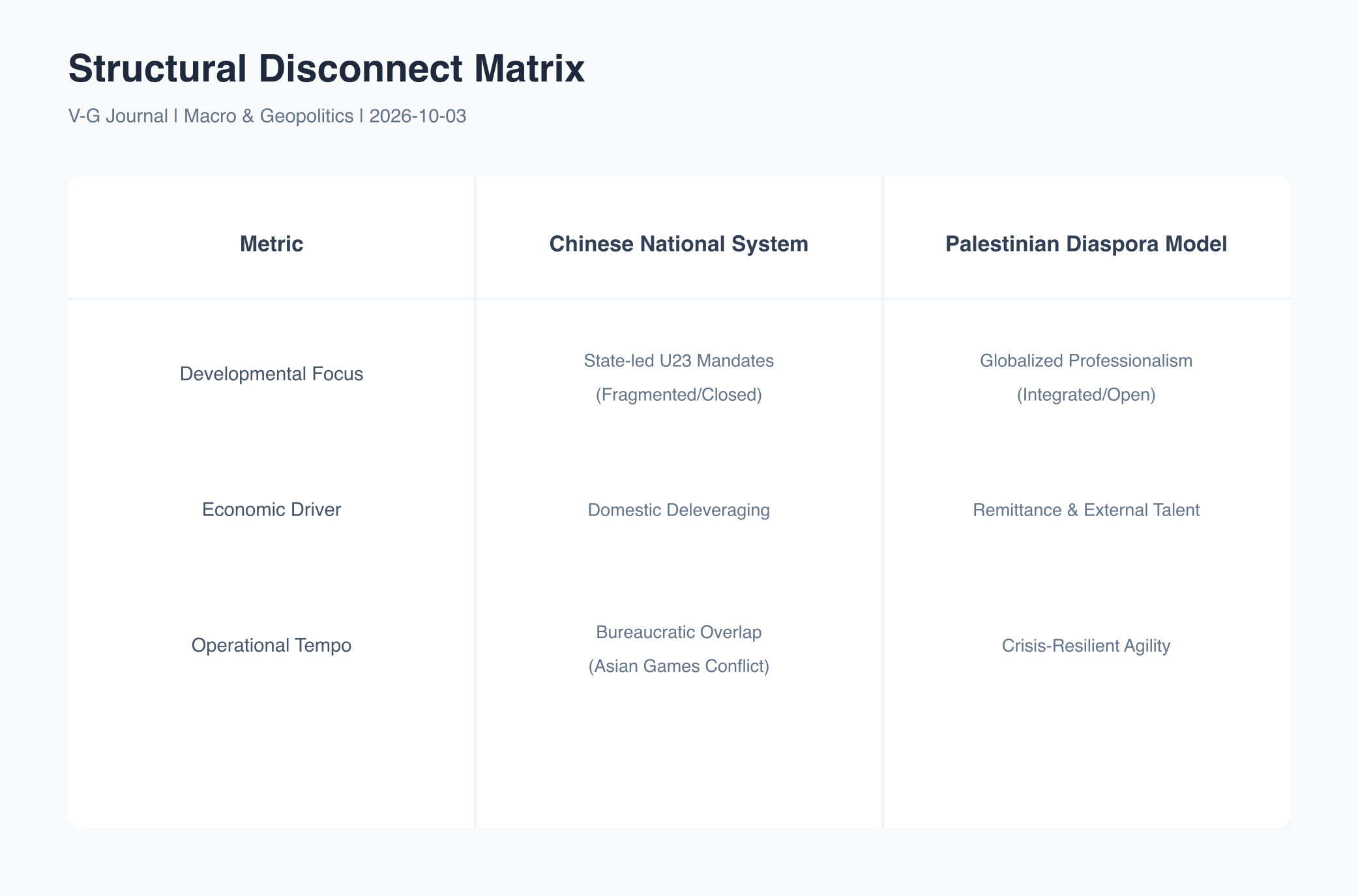 Figure 1: Palestinian players celebrate a goal as the Chinese defense falters during the Chongqing International Invitational.
The friction arises from a misunderstanding of two parallel, yet distinct, competitive sequences within the Chinese football hierarchy:
| Dimension | Nagoya Asian Games Squad (U23/Olympic) | Chongqing Invitational (Senior National Team) |
|---|---|---|
| Nature of Event | Multi-sport Continental Games (OCA Sequence) | FIFA International Match Day (Friendly/Warm-up) |
| Eligibility | Strictly U23 (with limited overage players) | No age limit (Experimental/Senior roster) |
| Strategic Priority | High: Medal-driven national prestige | Moderate: Tactical experimentation and scouting |
| Personnel | Elite age-appropriate starters and rising stars | Depleted: Starters held by U23; roster filled with reserves |
| Outcome | Tactical discipline; Bronze medal win over Uzbekistan | Systemic collapse; 0-5 loss to Palestine |
1. Strategic Anemia: The Hollowing of the Senior Core
In the Chinese sporting bureaucracy, the Asian Games carry immense strategic weight. To ensure the competitiveness of the “home” youth side in Nagoya, nearly every age-appropriate player with professional grit and tactical maturity was locked into the U23 squad.
Consequently, the senior team led by Shao Jiayi in Chongqing was, from its inception, a “severely anemic” hybrid. With mid-career veterans sidelined by injuries or domestic league title races, the national team was forced to field a patchwork of inexperienced youngsters and fringe bench players.
2. The Collapse of the Bench
This hybrid roster exposed the most lethal structural flaw in Chinese football: the precipitous drop-off in quality between starters and rotations.
Without three or four “anchors” to stabilize the spine, the team proved incapable of maintaining basic tactical discipline under pressure. A clearance error by Liu Yang in the 16th minute led to the opening goal; subsequently, the defensive line was shredded by simple through-balls. The second half saw goalkeeping blunders and a general sense of defensive lethargy. This was not just poor form; it was the concentrated manifestation of a hollowed-out talent pool.
II. The Diaspora Advantage: The Professional Reality of Palestine
A common fallacy in sports commentary is equating geopolitical hardship with athletic amateurism. The intuitive assumption—that the Palestinian team is a ragtag group of amateurs assembled from a war zone—is factually incorrect.
In the globalized landscape of modern football, the supply of athletic prowess transcends physical borders.
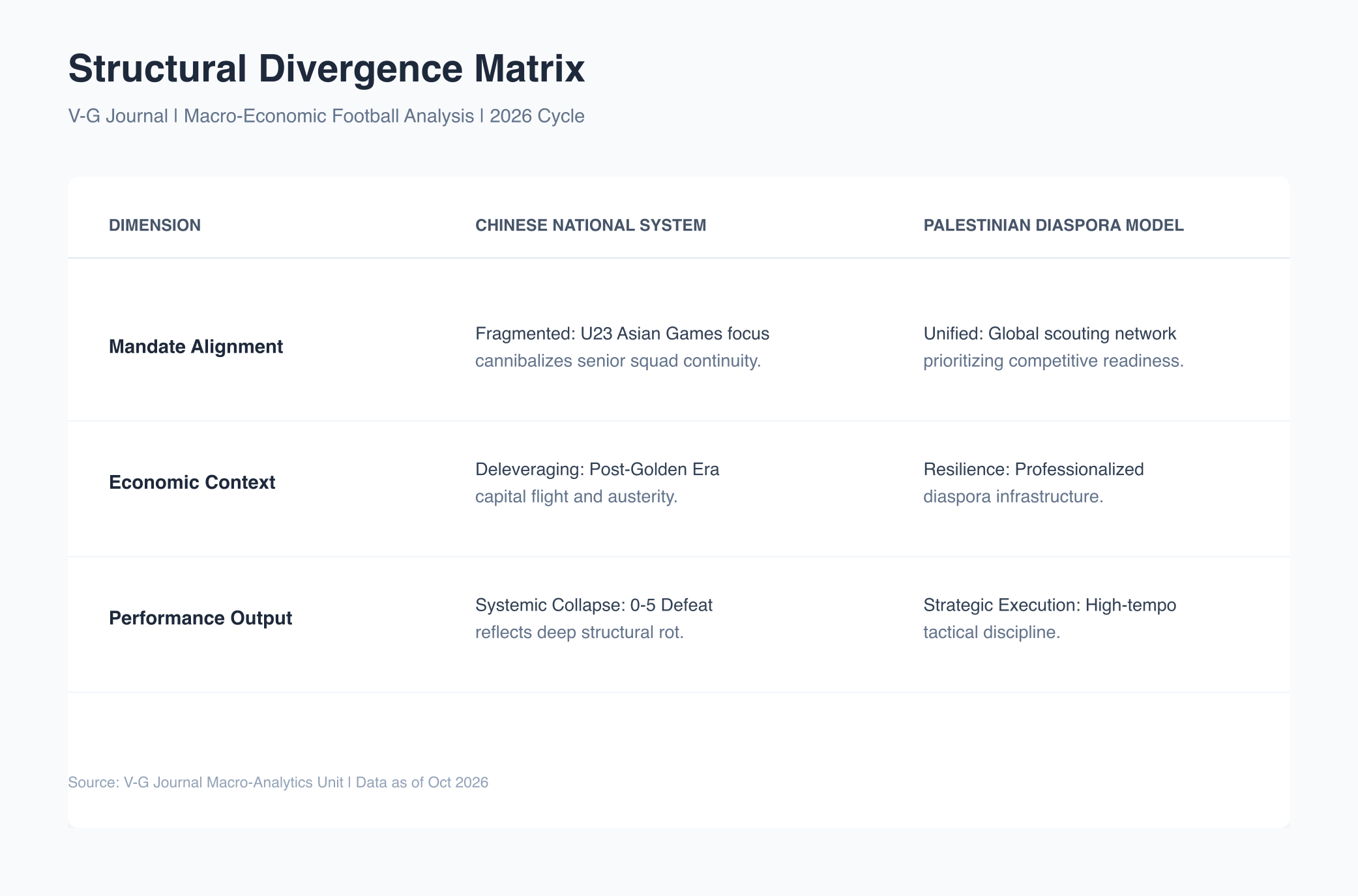 Figure 2: Palestinian forwards utilize superior physicality against the Chinese defense.
The backbone of the Palestinian national team is a professional “Foreign Legion” built upon a global diaspora network and established overseas leagues:
1. The Century-Old Diaspora Recruitment Network
The largest Palestinian community outside the Middle East resides in Chile, numbering nearly 500,000. Chile’s top-tier league features Club Deportivo Palestino, a century-old institution founded in 1920 that remains a powerhouse in Latin American football.
The Palestinian Football Association has leveraged this diaspora to build a sophisticated scouting mechanism across Latin America (Chile, Argentina) and Europe (Sweden, Belgium, Switzerland). They consistently integrate players who have undergone rigorous professional training in elite Western academies into their national setup.
2. Competitive Integrity via Transnational Leagues
A glance at the Palestinian roster reveals a squad of battle-hardened professionals living and competing in high-tempo environments:
- Oday Dabbagh: The star striker who scored twice in Chongqing, Dabbagh is a veteran of European second-tier leagues, with stints in the Portuguese Primeira Liga (Arouca), Belgian Pro League (Charleroi), and the Scottish Premiership (Aberdeen).
- Assad Al Hamlawi: Born in Helsingborg, Sweden, and holding dual citizenship, Al Hamlawi was forged in the Swedish professional system and currently plays in the Romanian top flight. His physicality and directness were the primary catalysts for the 0-5 rout.
- The Midfield Core: Most play in the established professional leagues of Egypt, the UAE, or Qatar, maintaining a level of match fitness and tactical execution that far exceeds the current “experimental” Chinese roster.
3. The Psychological Catalyst
Palestine is no longer an Asian “minnow.” They reached the Round of 16 in the 2024 Asian Cup and recently held a full-strength South Korean side to a 0-0 draw in World Cup qualifying. Their FIFA ranking (94th) sits nearly level with China’s (93rd). For these players, the turmoil at home does not hinder their rhythm; rather, it provides a fierce sense of national identity and a “nothing to lose” aggression that overwhelmed a demoralized and disjointed Chinese side.
III. Capital Ebb and Economic Cycles: The Macro-Transmission to the Pitch
The final layer of this failure is the transmission of China’s macro-economic adjustment and the “deleveraging” of its football industry.
Modern sports economics suggests that capital withdrawal is not a simple “on/off” switch for performance. Instead, it filters through three micro-gears.
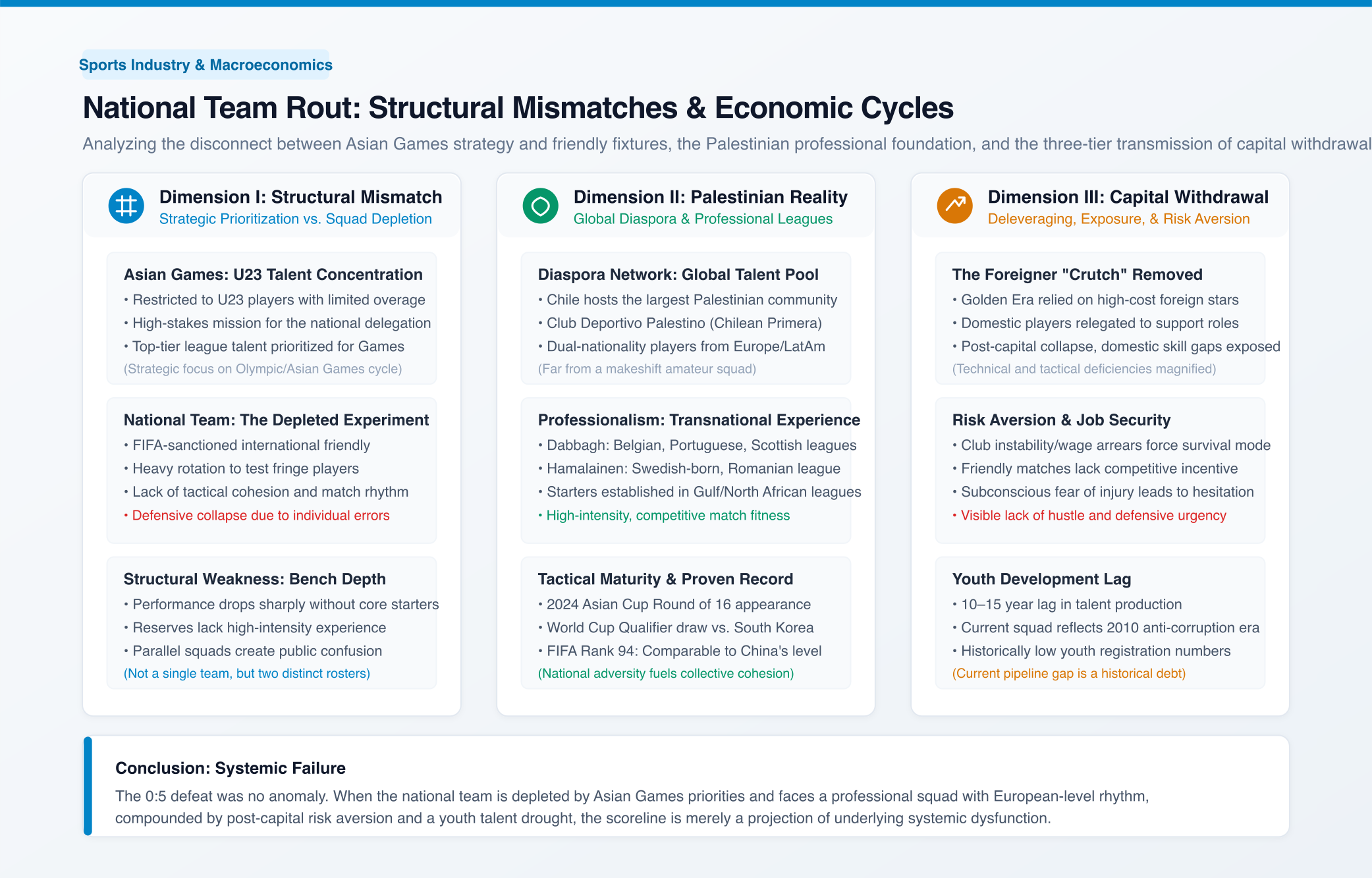 Figure 3: A conceptual map of how structural misalignment, diaspora networks, and economic deleveraging converged to create the 0-5 result.
Gear 1: The Stripping of the “Foreign Aid” Veil
The “Golden Era” of Chinese football was a period of artificial asset inflation fueled by the unbridled expansion of real estate capital. Super League clubs used astronomical salaries to attract world-class talents like Oscar and Paulinho.
This created a parasitic tactical mechanism: foreign stars handled the creative burden, the tactical organization, and the high-pressure transitions, while local players acted as “functional greenery”—subsidiary pieces in a system they didn’t control. As capital fled, so did the stars. Local players, now forced to occupy the tactical vacuum, found their technical deficiencies—poor first touches, lack of vision, and inability to resist high-press systems—exposed and punished.
Gear 2: Risk Aversion in a Post-Bubble Economy
Over the last five years, dozens of professional clubs have dissolved, and wage arrears have become systemic. For the professional player, the psychological priority has shifted from “chasing bonuses” to “preserving a stable contract and avoiding career-ending injuries.”
While high-stakes matches (World Cup qualifiers) can still trigger a competitive response, non-essential friendlies do not. Faced with the bruising physicality of the Palestinian side, players subconsciously triggered a self-preservation mechanism. The lack of tracking back and the hesitation in 50/50 challenges are the athletic reflections of a workforce prioritizing job security over high-risk glory.
Gear 3: The 15-Year Lag in Youth Development
Athletic development follows a “Time-Lag Effect” of 10 to 15 years.
The 26-to-32-year-old players currently representing the national team began their formative training around 2010—the absolute nadir of Chinese football, characterized by corruption scandals and a collapsed reputation. During that era, the registered youth football population plummeted to historical lows. The current talent vacuum is the inevitable cashing-in of a 15-year-old debt.
Conclusion: Beyond Emotional Venting
The 0-5 defeat is a cold, uncompromising mirror. It shatters the hubris of viewing opponents from conflict zones as “amateurs” and exposes the systemic fragility of a national team stripped of its youth core.
In the arena of modern sport, there are no accidents:
- When a motivated, globalized professional squad trained in Europe and the Middle East…
- Meets a depleted, tactically disjointed hybrid team preoccupied with injury avoidance…
- The resulting scoreline is merely the natural projection of divergent institutional health.
Professional sports do not believe in the short-term myths of bubble-induced prosperity. They reward the long-term cycles of talent cultivation, the baptism of high-level international competition, and a stable professional floor. Only by moving from emotional outbursts to hard-core structural reconstruction can Chinese football begin to find its footing in the ruins of the Golden Era.
Related Research & Topics
Tello Mobile eSIM
SafetyWing Nomad Insurance
* Disclosure: This post contains affiliate links. If you make a purchase through these links, V-G Journal may earn a small commission at no additional cost to you. We only recommend services we independently evaluate and trust.
FIRE and Golf:自由旅居之路
专注于为追求 FIRE 与品质生活的人群提供特惠打球权益与候鸟微度假。不持一砖一瓦,运营品质生活。