The Kinetic Foundation: A Strategic Guide to Golf Footwear and Biomechanical Stability
Beyond mere aesthetics, golf shoes serve as the sole interface for ground reaction force and energy transfer. This guide deconstructs the engineering of major brands—from FootJoy’s tour-grade torque resistance to ECCO’s anatomical comfort—to help the serious golfer optimize their physical chassis.

Curator’s Note:
Many golfers—whether novices or seasoned mid-handicappers—spare no expense on their arsenal. They chase drivers with 10,000 MOI, insist on soft-iron forged irons, and stockpile Tour-caliber balls by the dozen. Yet, when it comes to footwear, they often succumb to one of two fallacies: either they wear flat-soled “street” shoes that slip during the critical transition of the hips, leaking kinetic energy, or they prioritize “hype” collaborations with narrow lasts and rigid soles that leave their feet screaming after a 10-kilometer trek.In the hierarchy of equipment, if the club is the “kinetic weapon” and the ball is the “aerodynamic projectile,” then the shoe is the sole physical chassis of the human kinetic chain. Modern sports biomechanics confirm that the Ground Reaction Force (GRF) upon which a powerful swing depends is entirely predicated on the interface between the outsole and the turf.
Following our deep dives into Club Selection Strategy and Ball Aerodynamics, this essay deconstructs the technology, mechanics, and selection logic of the industry’s leading footwear brands.
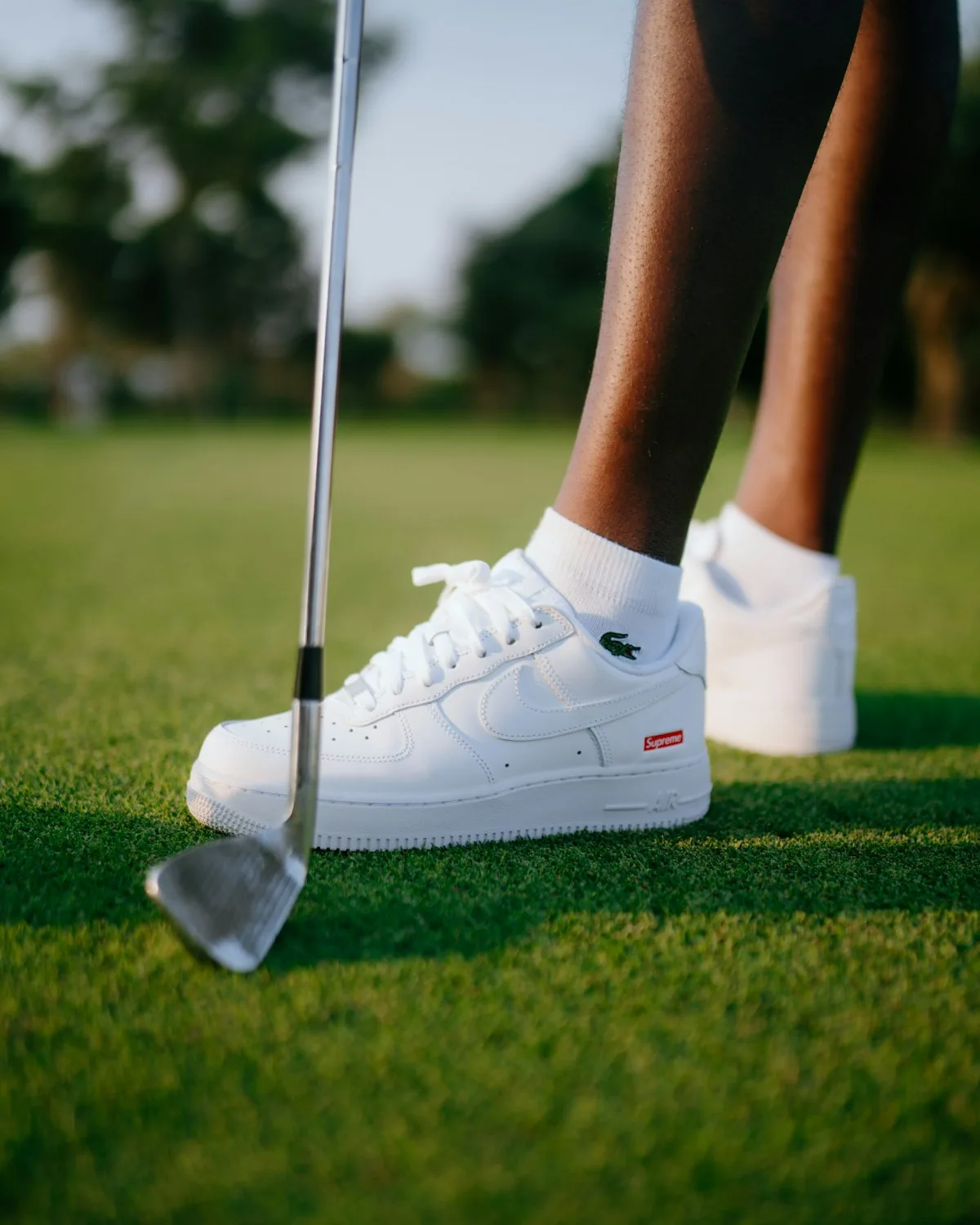
Figure 1: The golf shoe constitutes the only grounding interface for the human kinetic chain.
I. Biomechanics and Engineering: The Three Pillars of Golf Footwear
A standard 18-hole round requires walking between 7 and 10 kilometers, punctuated by over a hundred high-load torsional movements. A golf shoe is not merely a reinforced sneaker; it is a specialized tool built upon three rigorous biomechanical pillars:
1. Torque Resistance and GRF Transfer
Professional swing speeds often exceed 110 mph. At the moment of impact, the lower body exerts massive downward and shearing forces. This Ground Reaction Force (GRF) is amplified through the arches, knees, and hips. If the sole lacks torsional rigidity, the shoe will deform laterally during the drive, leading to lost ball speed and erratic face angles. Flagship shoes embed high-strength TPU or carbon fiber plates in the midfoot to ensure the chassis remains a bedrock.
2. Lateral Containment
During the downswing, weight shifts aggressively from the trailing foot to the lead foot. The lateral side of the lead foot bears an immense centrifugal impulse. Superior golf shoes feature an “outrigger”—a widened lateral flare—and high-rigidity sidewalls to prevent the foot from sliding within the shoe or, worse, rolling the ankle.
3. Microclimate and Walking Equilibrium
The ultimate challenge is balancing “swing rigidity” with “walking cushioning.” A midsole that is too soft (like a pure foam running shoe) causes energy dissipation and balance drift during the swing. Conversely, a rigid leather sole can lead to cumulative heel impact and plantar fasciitis. Furthermore, given morning dew and unpredictable weather, a waterproof membrane (such as GORE-TEX) paired with a breathable system is the baseline for foot health.
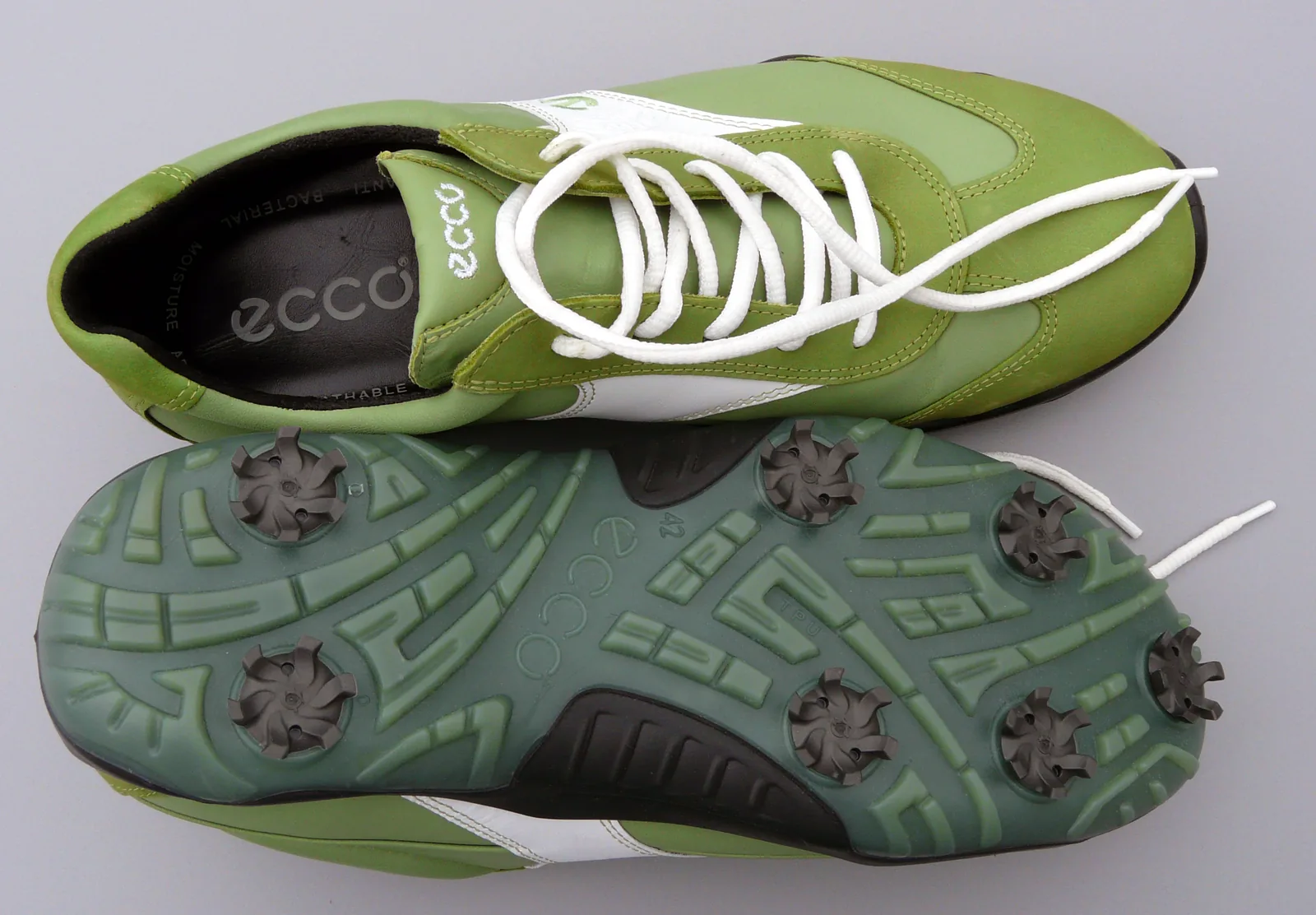
Figure 2: Outsole traction and engineered torsional bridges provide anti-roll stability at impact.
II. The Dominant Players: A Deep Dive into Five Major Brands
The market has bifurcated into distinct camps: those focused on Tour-grade performance, those perfecting leather craftsmanship, and those leading the “sneakerization” of the sport.
1. FootJoy (FJ) — The Tour-Proven Benchmark
- Positioning: The undisputed #1 shoe on the PGA Tour since 1945. FJ is the industry’s “Gold Standard” for pure golf DNA.
- Core Strengths:
- Swing-Specific Chassis: FJ develops outsoles specifically for the golf movement; their torsional support is the benchmark against which all others are measured.
- Comprehensive Matrix: From traditional British wingtips (the “Old Money” aesthetic) to ultra-lightweight technical models.
- Fit Precision: One of the few brands offering a granular range of widths, from Narrow to Extra Wide.
- Flagship Models:
- Pro|SLX: A spikeless flagship featuring a 3D X-Wing carbon/composite plate, offering stability that rivals cleated shoes.
- Premiere Series (Packard/Field): Classic full-grain leather favored by Tour pros and traditionalists.
- Tour Alpha: The choice for “power hitters” who require maximum lateral lockdown.
- The Trade-off: Traditional leather models can be heavy and require a “break-in” period. Their aesthetic is strictly “on-course,” lacking off-course versatility.
2. ECCO — The Ceiling of Anatomical Comfort
- Positioning: The Danish giant that pioneered the spikeless revolution. The undisputed king of comfort.
- Core Strengths:
- Yak Leather: Sourced from their own tanneries, this leather is thinner yet stronger than cowhide, offering natural breathability and durability.
- FluidForm™ Technology: A direct-injection process that bonds the upper and midsole without glue or stitching, creating an anatomical fit that mirrors the foot’s curves.
- Climate Control: Deep integration of GORE-TEX and 360-degree breathability (SURROUND technology).
- Flagship Models:
- BIOM C4: A spikeless masterpiece with 360-degree ventilation and E-DTS traction.
- BIOM G5: The flagship cleated model for competitive play.
- S-Three: Zonal compression in the midsole to balance walking rebound with putting stability.
- The Trade-off: High price point (often $250+). The focus on softness means golfers with swing speeds over 115 mph might find the lateral containment slightly “mushy” compared to FJ.
3. adidas Golf — Technical Equilibrium and Value
- Positioning: The bridge between high-performance athletics and modern material science.
- Core Strengths:
- Midsole Chemistry: Expertly balancing the energy return of Boost with the lightweight stability of Lightstrike.
- Spikeless Traction: The Codechaos series features a “Twistgrip” outsole that often outperforms traditional spikes on wet grass.
- BOA Integration: Arguably the best implementation of the BOA dial system, ensuring even pressure distribution across the instep.
- Flagship Models:
- Tour360 24: A legendary cleated shoe with a 360-wrap for total lockdown.
- Codechaos 25: The “traction monster” of the spikeless world with a futuristic aesthetic.
- The Trade-off: Exposed Boost foam can yellow over time; the stack height is slightly higher, which may reduce “ground feel” for some.
4. Nike Golf — The Sneakerhead Crossover
- Positioning: The vanguard of the “streetwear” movement in golf, blending hype culture with performance.
- Core Strengths:
- Iconic Silhouettes: Porting Air Jordan (AJ1, AJ4) and Air Max chassis to the fairway. High “clout” factor.
- Responsive Cushioning: Utilization of Zoom Air and React foam for a “snappy” feel.
- Flagship Models:
- Air Zoom Victory Tour 3: Worn by Rory McIlroy; combines a full-length Zoom Air unit with a professional cleat system.
- Air Jordan Retro Golf: High resale value and street-to-course appeal.
- The Trade-off: Nike lasts are notoriously narrow and low-volume, often uncomfortable for those with wider feet or high insteps.
5. G/FORE — Californian Luxury and Social Status
- Positioning: A luxury lifestyle brand (under Peter Millar) that dominates the high-end country club scene.
- Core Strengths:
- Aesthetic Boldness: Vibrant colors, skull motifs, and premium hardware.
- Massaging Insole: Their signature “triple-density” foam insole features raised nubs that provide a foot massage while walking.
- Flagship Models:
- Gallivanter: The gold standard for the “modern classic” look.
- MG4+: A technical spikeless shoe with high-rebound cushioning.
- The Trade-off: Premium pricing ($250–$350). The outsoles are designed for meticulously manicured private courses rather than rugged, muddy terrain.
III. Niche Specialists: Power and Morphology
Beyond the “Big Five,” certain brands solve specific biomechanical problems:
- Under Armour (UA): Developed with Jordan Spieth, the Drive Pro is built for the “power hitter.” It features an incredibly rigid TPU outrigger that refuses to budge during the transition, ensuring zero energy loss.
- New Balance (NB): The savior for the East Asian foot. NB offers 2E and 4E widths in models like the Fresh Foam 574, providing a voluminous toe box that prevents bunions and toe-crushing.
- PUMA Golf: Known for the Phantomcat Nitro, which uses supercritical nitrogen-infused foam. It is exceptionally light and features “Flexspike” technology—a hybrid that feels like a spikeless shoe but bites like a cleat.
IV. Brand Performance Matrix
| Dimension / Brand | FootJoy (FJ) | ECCO | adidas Golf | Nike Golf | G/FORE |
|---|---|---|---|---|---|
| Core Identity | Tour Standard | Anatomical Luxury | Tech Value | Hype/Athletic | Social Luxury |
| Traction & Torque | ★★★★★ | ★★★★☆ | ★★★★★ | ★★★★☆ | ★★★☆☆ |
| Walking Comfort | ★★★★☆ | ★★★★★ | ★★★★☆ | ★★★☆☆ | ★★★★★ |
| Waterproofing | ★★★★★ | ★★★★★ | ★★★★☆ | ★★★☆☆ | ★★★★☆ |
| Lifestyle Versatility | ★★☆☆☆ | ★★★☆☆ | ★★★☆☆ | ★★★★★ | ★★★★☆ |
| Asian Fit (Wide) | Excellent (Wide options) | Excellent (Round toe) | Good | Poor (Narrow) | Moderate |
| Price Range (USD) | $140–$280 | $200–$320 | $100–$200 | $100–$230 | $220–$350 |
V. Strategic Selection: The Decision Logic
Choosing the right shoe is an exercise in matching your physical morphology to your playing environment.
1. The Walking vs. Carting Dilemma
- The Purist (Walking 10k+ steps): Prioritize ECCO (BIOM C4) or New Balance. The anatomical support will prevent the “15th-hole fatigue” that leads to sloppy swings.
- The Cart Rider / Competitive Player: Prioritize FootJoy (Tour Alpha) or Under Armour. Since walking is minimized, you can afford a stiffer, heavier chassis that maximizes GRF.
2. Cleated vs. Spikeless
- Choose Cleated if: You play early morning (heavy dew), live in a rainy climate, or have a swing speed north of 100 mph.
- Choose Spikeless if: You play on well-drained, sandy courses, or if you want a “door-to-course” shoe that doesn’t require changing in the locker room.
3. The BOA vs. Laces Debate
- BOA System: Ideal for consistent lockdown. It won’t loosen during the round and allows for micro-adjustments. However, ensure the dial doesn’t create a pressure point on a high instep.
- Traditional Laces: Essential for the “Old Money” aesthetic. Laces allow for “zonal” tensioning (tighter at the top, looser at the toes), which BOA cannot always replicate.
4. The “Asian Foot” Rule
East Asian foot morphology typically features a wider forefoot and a higher instep.
- Avoid standard “D” widths in Nike or European-style narrow lasts; they will cause metatarsal compression and long-term foot issues.
- Seek the “Wide” or “2E” tag in FootJoy and New Balance.
- The Afternoon Rule: Always try shoes on in the afternoon. Your feet expand by 3–5% after a day of standing. Wear your thickest golf socks and ensure a “half-thumb” of space in the toe box.
A golf shoe is more than a social calling card at the clubhouse; it is the physical foundation of your game. By aligning your footwear with your biomechanical needs, you ensure that every hip turn is supported by a stable, efficient, and comfortable chassis.
Related Research & Topics
Tello Mobile eSIM
SafetyWing Nomad Insurance
* Disclosure: This post contains affiliate links. If you make a purchase through these links, V-G Journal may earn a small commission at no additional cost to you. We only recommend services we independently evaluate and trust.
FIRE and Golf:自由旅居之路
专注于为追求 FIRE 与品质生活的人群提供特惠打球权益与候鸟微度假。不持一砖一瓦,运营品质生活。