Sartorial Biomechanics: A Strategic Guide to Modern Golf Apparel
Moving past the legacy of shapeless pleated khakis and generic streetwear crossovers, modern golf apparel balances centuries-old club etiquette with dynamic biomechanics. This taxonomy dissects four major brand archetypes, silhouette tailoring, and context-driven garment selection.

Curator’s Note:
For decades, golf attire has suffered from a dual stereotype: on one extreme sits the shapeless cotton Polo and dragging khaki trouser of the legacy country club—stuffy, aging, and structurally indifferent to movement; on the other lies the superficial hype of streetwear drop-culture, where heat-trapping fleece and constricted armholes compromise shoulder turn by the fourth hole.Driven by a younger demographic and lifestyle crossover, golf apparel is undergoing a structural realignment. Modern golf wear must reconcile two conflicting vectors: strict adherence to century-old private club dress codes and the rigid anatomical demands of high-torque rotation, microclimate moisture regulation, and dynamic mobility.
Building upon our previous analyses of performance footwear engineering, club matrix optimization, and ball dynamics, this essay provides a structural dissection of contemporary golf apparel brands, decoding four distinct aesthetic paradigms, their tailoring mechanics, and their strategic application on the course.
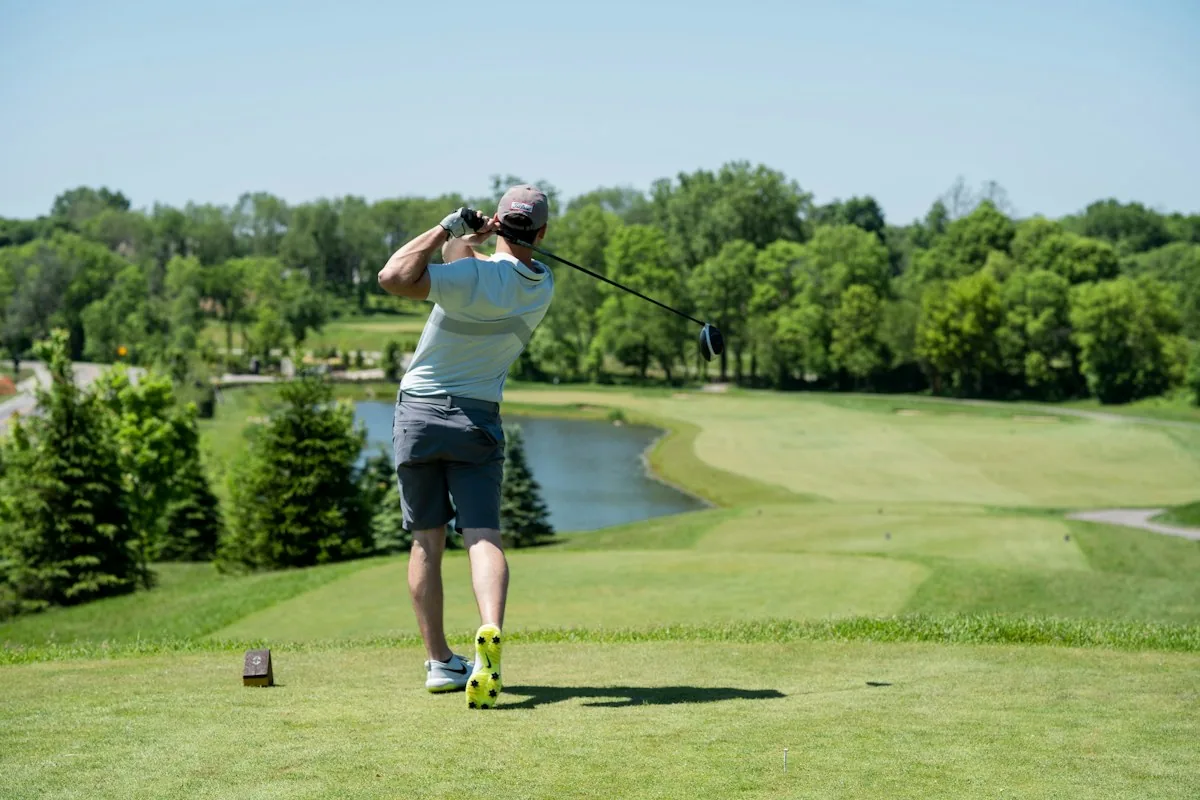
Figure 1: Modern golf apparel achieves a deliberate equilibrium between century-old club etiquette and ergonomic performance engineering.
I. The Dual Baseline: Etiquette and Biomechanics
Unlike casual athletic gear, golf apparel operates at the intersection of social protocol and biomechanical performance. Any wardrobe decision must respect both club regulations and the physical mechanics of the swing:
1. The Non-Negotiable Rules of Club Etiquette
- Tops: Championship courses and private clubs require collared Polo shirts or approved performance mock-neck tops. Standard crew-neck T-shirts, tank tops, and casual hoodies remain strictly prohibited on the fairways. Shirt hems are typically required to be tucked into trousers, secured with a belt to maintain a clean silhouette.
- Bottoms: Standard attire demands tailored golf trousers or knee-length tailored shorts. Denim, cargo pants with bulky side pockets, athletic joggers, and swim shorts are banned from traditional courses.
- Footwear & Accessories: Soft-spiked or high-performance spikeless golf shoes are mandatory. Hard metal spikes (which damage greens) and flat lifestyle sneakers are prohibited. Headwear must be worn with the visor facing forward and removed upon entering clubhouse dining facilities.
2. Biomechanical Demands on Fit and Fabric
An 18-hole round spans four to five hours, requiring dozens of full rotational swings, repeated bending for green reading, and miles of walking across variable terrain. Garments must withstand three distinct physical stress tests:
- Unconstrained Rotational Mobility: At the peak of the backswing, the latissimus dorsi and rotator cuff muscles are fully extended. Tight armhole construction or rigid fabrics create lateral drag, disrupting the swing plane at the transition.
- Microclimate Moisture Regulation: Core body temperatures rise under load, accumulating sweat along the spine and underarms. Heavy traditional cotton absorbs sweat, increasing garment weight and causing post-exertion chill. Modern performance apparel utilizes micro-porous, cool-touch synthetic yarns to accelerate evaporation.
- UV & All-Weather Shielding: Extended sun exposure demands UPF 50+ protection, while shoulder-season play requires micro-porous, windproof, DWR-coated (Durable Water Repellent) lightweight outerwear.
II. Structural Dissection of the Four Brand Archetypes
The modern golf market has bifurcated into distinct aesthetic and functional camps, each serving specific player profiles, body types, and social contexts.
1. Streetwear Pioneers & Lifestyle Disruptors (Reimagining Heritage)
Spearheaded by independent designers and street culture influences, this archetype strips away golf’s stuffy traditionalism, translating fairway attire into versatile lifestyle menswear.
Malbon Golf — California Streetwear & Subcultural Rebelliousness

- Origins: Founded in Los Angeles in 2017 by Stephen and Erica Malbon.
- Style & Cut: Replaces tapered athletic fits with relaxed, boxy street silhouettes. Defined by its iconic mascot (“Buckets”), the brand incorporates vintage workwear, heavy knits, bold embroidery, and casual layering.
- Textile & Craft: Heavyweight cottons, retro-blend knits, and intricate patch embroidery. High-profile limited-edition collaborations (New Balance, Nike, Dockers) regularly drive secondary market premiums.
- Price Point: ~$120 – $380 USD (Polos, knits, trousers); collaboration jackets command higher.
- Optimal Context: Driving ranges, casual weekend rounds, resort courses, and daily urban wear.
G/FORE — Avant-Garde Luxury & Vibrant Pop Aesthetics

- Origins: Established in Los Angeles in 2011 by fashion veteran Mossimo Giannulli; now operates independently under Peter Millar’s corporate umbrella.
- Style & Cut: Framed as “disruptive luxury.” Replaces muted golf palettes with high-saturation neons, skull motifs, and pop-art prints, executed in a clean, modern slim fit.
- Textile & Craft: Famous for its AA Grade Cabretta leather color-block gloves; utilizes four-way micro-porous stretch synthetics that merge runway sensibilities with tour-level compliance.
- Price Point: ~$180 – $500 USD.
- Optimal Context: High-end private clubs, style-conscious players seeking high visual impact.
BEAMS GOLF — Japanese City Boy Meets Heritage Americana

- Origins: The dedicated golf sub-label of renowned Japanese retailer and buyer brand BEAMS.
- Style & Lines: Divided into the workwear-inspired “Orange Label” and the refined, business-casual “Purple Label.” Cuts are precisely tailored for East Asian proportions, bringing the “City Boy” layering ethos directly to the tee box.
- Optimal Context: Golfers favoring subtle Japanese tailoring and versatile off-course transitions.
2. East Asian Technical Precision & Ergonomic Tailoring
Western heritage brands often drape for larger frames and longer arm spans, frequently leaving Asian players with excess fabric in the sleeves and chest. Japanese and Korean labels solve this through precision tailoring and advanced textile construction.
DESCENTE GOLF — Industrial Aesthetics & Kinetic Engineering

- Origins: Born from Japan’s elite ski and athletic apparel lineage.
- Style & Cut: Minimalist, architectural industrial aesthetic. Built around proprietary Motion 3D pattern technology, which maps garment panels directly to human muscle contraction during the swing, eliminating shoulder pull at release. Cut in an ultra-clean Asian Slim Fit.
- Textile & Craft: Ultrasonic seamless bonding (reducing seam friction), laser-perforated ventilation zones, and lightweight water-repellent stretch fabrics.
- Price Point: ~$220 – $650 USD.
- Optimal Context: Competitive players demanding dynamic swing performance and ultra-clean lines.
MARK & LONA — High-Decibel Punk Luxury

- Origins: Founded in Tokyo in 2008, identified by its signature skull-and-crossbones emblem.
- Style & Cut: High-octane luxury. Merges rock, punk, and runway tailoring into traditional golf wear, utilizing tight, sculpted silhouettes.
- Textile & Craft: Custom Japanese technical jacquards, bespoke metallic hardware, subtle crystal detailing, and windproof coatings that yield a distinct sheen under sunlight.
- Price Point: ~$350 – $900+ USD.
- Optimal Context: Ultra-high-budget players seeking maximum visual presence.
South Cape & WAAC — Korean Resort Elegance vs. Playful Dynamism


- South Cape: Evolved from the ultra-luxury coastal resort on Namhae Island, focusing on low-saturation beige and oatmeal palettes, fluid draping, and understated resort minimalism.
- WAAC: Built around its cheeky “Wacky” red-demon mascot, emphasizing lightweight, low-drag technical stretch fabrics tailored for younger demographics.
3. European Modernism & American Heritage/Old Money
For golfers frequenting traditional private country clubs or hosting high-stakes corporate outings, understated elegance and premium tactile hand-feel remain the benchmark.
J.Lindeberg (JL) — Scandinavian Minimalist Precision

- Origins: Founded in Stockholm in 1996; a pioneer in modern fashion-forward golf wear.
- Style & Cut: Scandinavian architectural minimalism centered around the iconic “Bridge” logo. Features a structured slim fit that highlights shoulder-to-waist ratios.
- Textile & Craft: Longtime tour sponsor (e.g., Viktor Hovland). Employs cool-touch synthetic yarns, four-way stretch, and UV-blocking fabrics built for tour performance and structured clubhouse wear.
- Price Point: ~$170 – $450 USD.
- Optimal Context: Tournaments, formal club play, business golf, and athletic frames.
Peter Millar — American Ivy League Understatement

- Origins: Founded in North Carolina in 2001; a dominant presence across top-tier American private clubs.
- Style & Cut: Classic Ivy League heritage. Generous Classic Fits provide comfort across all body types, while the Crown Crafted line offers a subtler, modern tailored fit. Branding is intentionally minimal.
- Textile & Craft: Industry-standard material hand-feel. Utilizes superfine Merino wool, Sea Island cotton feels, and wrinkle-resistant performance blends that hold structure over time.
- Price Point: ~$220 – $550 USD.
- Optimal Context: Private country club play, executive games, and mature golfers preferring subtle comfort.
Ralph Lauren (Polo Golf & RLX) — Heritage Ivy & High-Performance Outerwear

- Positioning: Polo Golf retains classic Ivy League cottons and the iconic pony embroidery. The RLX sub-label focuses entirely on modern tournament engineering, utilizing ultra-light laser-welded seams and weather-resistant membranes (frequently outfitting the U.S. Ryder Cup team).
Munsingwear — Legacy Heritage

- Origins: A heritage golf brand dating back to 1955, credited with developing the original dedicated golf polo.
- Style: Instantly recognizable by its penguin emblem, focusing on forgiving ergonomic cuts, durable knits, and soft-touch fabrics favored by traditionalists.
4. Seamless Transition & Performance Utility
Modern urban schedules often eliminate the luxury of changing clothes between the 18th green and a business dinner. This dynamic has accelerated the growth of performance lifestyle gear.
Lululemon (Golf Line) — Tactile Comfort & Urban Versatility

- DNA: Adapts its proprietary yoga and commuter fabric technologies into structured golf silhouettes.
- Style & Cut: Tailored fit with minimal branding. Incorporates subtle course details: anti-curl stiffened collars and designated tee pockets inside trouser seams.
- Textile & Craft: Powered by Warpstreme fabric, delivering four-way stretch, abrasion resistance, and wrinkle-free maintenance.
- Price Point: ~$110 – $260 USD.
- Optimal Context: Range practice, casual weekend rounds, and seamless transitions between course and office travel.
FootJoy (FJ) — Pure Tour Utility & All-Weather Resilience

- DNA: The core apparel arm of golf giant Acushnet; a long-standing fixture across global professional tours.
- Focus: Prioritizes weather defense over trend-chasing. Built with DryJoys windproof and rainproof membranes, offering extreme durability and performance utility.
- Price Point: ~$90 – $260 USD.
- Optimal Context: Adverse weather, high-frequency practice, and purely competitive play.
Nike Golf / Adidas Golf / PUMA Golf — Mass-Market Athletic Giants


- Performance: Backed by massive multi-sport R&D platforms (Nike Dri-FIT, Adidas PRIMEKNIT). PUMA continuously integrates youthful street colorways through ambassador Rickie Fowler and independent brand collaborations.
III. Comparative Brand Matrix
To aid in targeted wardrobe selection, the following matrix compares the core brands across aesthetic positioning, silhouette profiles, textile focus, and primary use-case scenarios:

Figure 2: Strategic alignment matrix comparing golf apparel brands across fit, function, and setting.
| Brand | Aesthetic Positioning | Silhouette / Fit Profile | Textile & Craft Focus | Reference Price | Optimal Context |
|---|---|---|---|---|---|
| Malbon Golf | Streetwear / Retro Workwear | Boxy / Relaxed Fit | Heavyweight cotton, knits, dense embroidery | $120 – $380 | Casual rounds, driving ranges, lifestyle wear |
| G/FORE | Avant-Garde Luxury | Modern Slim Fit | AA Cabretta leather, 4-way micro-porous stretch | $180 – $500 | Modern private clubs, high-impact style |
| MARK & LONA | Punk Luxury / High Contrast | Sculpted Asian Slim | Custom Japanese jacquards, metallic trim | $350 – $900+ | Luxury resort play, ultra-high visual presence |
| DESCENTE GOLF | Technical / Minimalist | Asian Slim Fit | Motion 3D kinetic mapping, ultrasonic bonding | $220 – $650 | High-torque competitive play, athletic builds |
| J.Lindeberg | Scandinavian Modern | Tapered Slim Fit | Signature Bridge motifs, cool-touch UV yarns | $170 – $450 | Formal tournaments, business golf, athletic frames |
| Peter Millar | Ivy League / Old Money | Classic / Forgiving Fit | Superfine Merino wool, performance silk/cotton | $220 – $550 | Private country clubs, executive games |
| Lululemon Golf | Modern Minimalist | Tailored Fit | Warpstreme 4-way stretch, wrinkle-free knit | $110 – $260 | Multi-scenario transit, travel, casual practice |
| FootJoy (FJ) | Tour Utility / Hardcore | Standard American Fit | DryJoys rainproof membranes, durable synthetics | $90 – $260 | Severe weather play, high-frequency practice |
IV. Practical Playbooks: Selection & Sartorial Protocol
Building a functional golf wardrobe requires balancing physical proportions, course social norms, and textile maintenance.
1. Matching Silhouettes to Anatomical Profiles
- Slender or Athletic Frames: Prioritize DESCENTE GOLF, J.Lindeberg, or BEAMS GOLF. Tapered waistlines and calibrated armholes eliminate excess fabric drag along the torso, allowing uninhibited arm path feel throughout the swing.
- Broader or Sturdier Builds: Lean toward Peter Millar, FootJoy, or Ralph Lauren Polo Golf. Traditional American cuts offer extra space across the chest and upper back without binding during full shoulder turn.
- **Box
Related Research & Topics
Tello Mobile eSIM
SafetyWing Nomad Insurance
* Disclosure: This post contains affiliate links. If you make a purchase through these links, V-G Journal may earn a small commission at no additional cost to you. We only recommend services we independently evaluate and trust.
FIRE and Golf:自由旅居之路
专注于为追求 FIRE 与品质生活的人群提供特惠打球权益与候鸟微度假。不持一砖一瓦,运营品质生活。