The Illusion of Physical Safety: Goldman’s Revised Gold Timeline and the Sovereign Friction Facing Nomad Portfolios
Goldman Sachs has pushed its primary gold bull-case rally out to late 2027 while trimming near-term price targets. For sovereign-independent digital nomads operating under strict FX conversion quotas and physical transit limits, chasing tangible bullion often transforms a safe haven into frozen illiquidity.

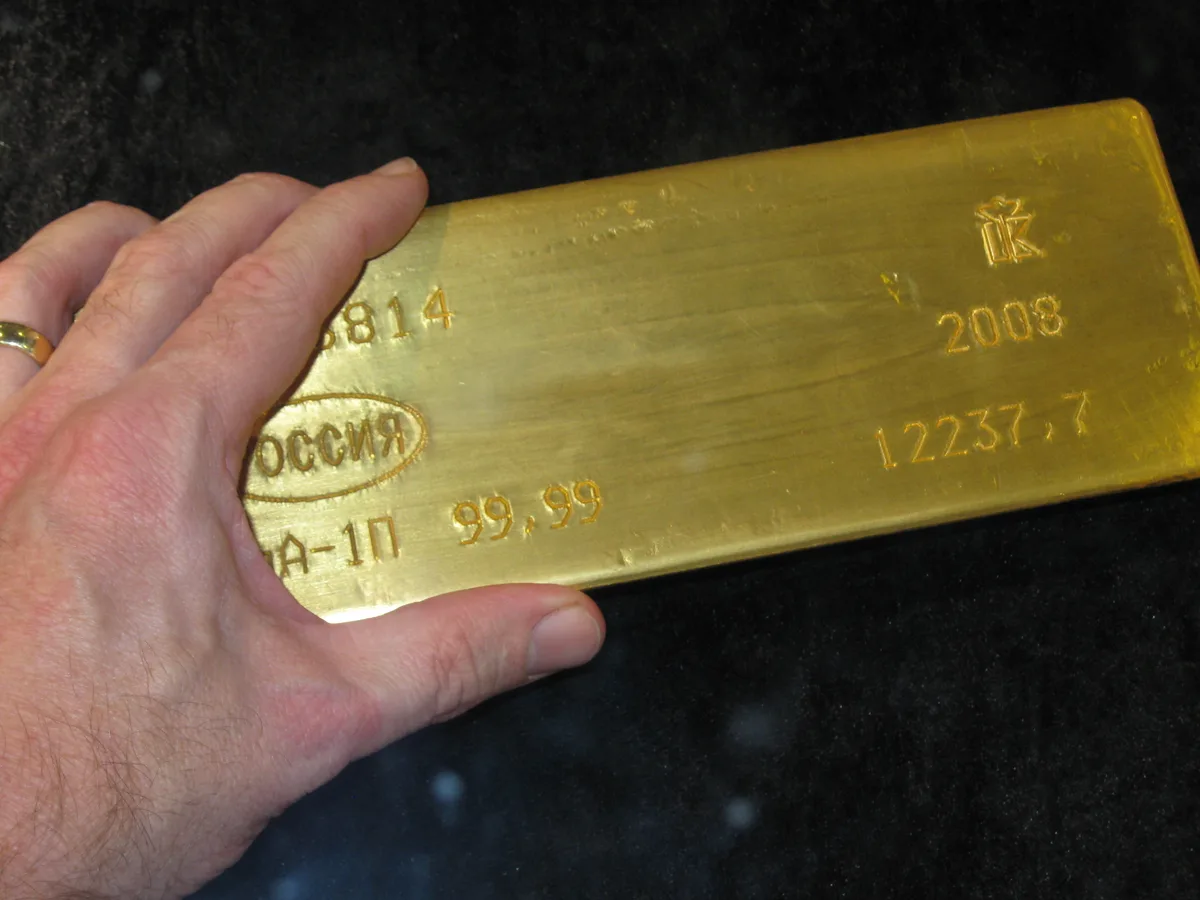
Figure 1: Institutional-grade 400 oz Good Delivery gold bars held in offshore custody—a structural fortress against cross-border liquidity friction.
Amid the wave of social media commentary touting “Goldman Sachs heralds a new gold supercycle,” the investment bank’s actual report—titled Long Gold, But Not Yet—presents a far more disciplined reality. Commodity analysts Lina Thomas and Daan Struyven revised their late-2026 gold target downward by roughly 11% to $4,150/oz (from $4,650/oz) and set their late-2027 target at $4,800/oz. Crucially, they noted that a sustained macro breakout depends on the Federal Reserve initiating a meaningful rate-cutting cycle in the second half of 2027.
For cross-border digital nomads and FIRE practitioners bound by China’s annual $50,000 individual foreign exchange quota and strict 50-gram customs limits on physical gold export, attempting to bypass legal frameworks with physical bullion quickly turns a defensive hedge into an illiquid trap.
Goldman’s Timeline Realignment: Why the Primary Wave Awaits H2 2027
While financial media frequently amplify bullish headlines, self-published channels often strip out the underlying macro assumptions and time horizons. The Goldman Sachs commodity team’s quantitative model provides a clear assessment: structural long-term conviction remains intact, but the timing of the trade matters.
- 2026 Rate Drag: High Real Rates Persist -> ETF Inflows Stagnate -> Rangebound Consolidation
- H2 2027 Fed Pivot: Rate Cuts Lower Opportunity Cost -> ETF Inflows Resume -> Primary Breakout Wave
Goldman’s downward calibration reflects delayed monetary easing across major Western economies. Persistent high real yields raise the opportunity cost of holding non-yielding assets, suppressing Western private ETF inflows and capping upside leverage in the derivatives market.
Conversely, central bank buying provides a durable structural floor. Goldman projects global central bank purchases to average roughly 60 tonnes per month through 2026–2027. Driven by de-dollarization imperatives and sovereign balance sheet diversification, official monetary authority demand prevents severe drawdowns.
However, moving from high-level consolidation to a sustained upward trend requires a monetary catalyst. Goldman’s macroeconomic team projects that the Fed will begin a decisive rate-cutting cycle in H2 2027. Lower interest rates reduce the yield penalty of holding zero-coupon assets, triggering renewed inflows into Western gold ETFs. Combined with structural central bank demand, this shift sets the stage for gold’s primary breakout wave. Speculative allocations expecting immediate vertical gains must therefore absorb several quarters of zero-yield drag.
FX Quotas and Border Restrictions: The Legal Limits of Physical Transport
Faced with sovereign currency depreciation and fiat dilution, global nomads naturally seek non-sovereign credit assets for inflation protection. However, translating a institutional gold allocation model into “buying gold bars domestically and carrying them overseas” immediately runs into strict regulatory limits.
First is the capital account constraint under mainland Chinese law. Article 2 of the Implementation Rules for the Measures on the Administration of Individual Foreign Exchange limits domestic individuals to an annual foreign exchange conversion quota of $50,000 USD equivalent. Conversions within this cap proceed via standard commercial banking channels. Exceeding $50,000 for living expenses, tuition, or overseas capital deployment requires presenting verifiable transaction records—such as contracts, invoices, or foreign tax documentation. Attempting to bypass these channels via informal money networks triggers Automated Money Laundering (AML) monitoring and account freezes.
Faced with these exchange limits, some individuals consider purchasing physical bullion locally to carry overseas. However, cross-border precious metal transit falls under the joint oversight of the People’s Bank of China (PBOC) and the General Administration of Customs (GACC):
- The 50-Gram Exemption Threshold: Travelers carrying gold and gold artifacts totaling 50 grams or less are granted customs clearance without an export permit.
- The PBOC Permit Requirement: Carrying quantities over 50 grams requires a written customs declaration supported by an official Import/Export Permit for Gold and Gold Products issued by the PBOC. Without this authorization, excess gold is denied exit. Attempting to conceal bullion during transit can be classified and prosecuted as smuggling.
As analyzed in The Gold Safe-Haven Paradox in Nomad Portfolios, physical gold’s high density and high atomic number make it instantly recognizable on airport X-ray scanners. At prevailing market rates, 50 grams of gold represents only a modest sum—insufficient for meaningful portfolio hedging. Carrying several hundred grams not only risks confiscation at the border but also incurs 3% to 8% bid-ask spreads when liquidated at foreign bullion shops.
Comparative Liquidity Calculus: Bullion, Offshore Vaults, and Tokenized Gold
Effective global asset protection relies on evaluating friction costs and tax liabilities across jurisdictions rather than physically transporting heavy metals. Within a digital nomad or FIRE asset framework, gold allocation generally takes three forms:
| Asset Vehicle | Physical & Custodial Structure | Cross-Border Liquidity Friction | Transaction Friction & Tax Overhead | Primary Risk Profile & Ideal Use-Case |
|---|---|---|---|---|
| Physical Bullion (Hand-Carried) | Personal luggage / physical transit | Extreme (PBOC permit mandatory above 50g) | High spread loss (3%–8%) at foreign retailers | High physical security risk; unsuitable for core portfolio allocation |
| Offshore Tax-Free Vault Custody | Singapore FreePort / Swiss Vault Infrastructure | Moderate (Requires wire instructions/custody transfer) | 0% GST under Singapore IPM rules; low annual storage fee | Isolates capital from single-jurisdiction risk; ideal for institutional-scale core reserves |
| Tokenized Gold (PAXG) | On-chain smart contract + London Good Delivery reserve | Low (24/7 ERC-20 network settlement) | On-chain gas fees + centralized exchange off-ramp fees | Smart contract exposure + CEX fiat off-ramp KYC/AML scrutiny |

Figure 2: Evaluating physical, vaulted, and tokenized gold structures across regulatory disclosure, liquidation haircuts, and cross-border settlement speed.
Offshore financial centers offer institutional pathways for holding precious metals compliant with international standards. Singapore, for instance, introduced the Investment Precious Metals (IPM) tax exemption through the Inland Revenue Authority of Singapore (IRAS) in October 2012. Under this framework, gold bars meeting a minimum fineness of 99.5% are exempt from Goods and Services Tax (0% GST). Utilizing secure facilities like The Singapore FreePort near Changi Airport, investors can execute purchase, audit, and insured vaulting operations without physically handling metal.
Simultaneously, tokenized real-world assets (RWAs)—such as PAX Gold (PAXG), which is regulated by the New York State Department of Financial Services (NYDFS) and backed 1:1 by fine troy ounces of London Good Delivery gold—have gained adoption among digital nomads. As discussed in our Comparative Analysis of Asian Digital Nomad Visas and Offshore Asset Protection and Crypto Custody Post-Liquidity Shocks, while on-chain assets enable rapid global transfers, converting digital tokens into local fiat for living expenses still requires passing centralized exchange KYC and AML checks. Technical mechanisms do not eliminate real-world legal frameworks.
Integrating Precious Metals into a 4% SWR Framework
Holding gold without integrating it into overall cash flow management can compromise defensive strategy. Under the traditional 4% Safe Withdrawal Rate (SWR) model popularized by the FIRE movement, a portfolio must generate ongoing yield to cover living expenses through dividend equities, fixed-income yields, or rental cash flows.
Gold is a non-yielding asset with zero coupon payments. If a global nomad allocates too much capital to physical gold out of inflation concerns, prolonged consolidation periods can create cash flow shortages. This may force the distress liquidation of gold holdings at unfavorable prices simply to fund daily operations.
- 1. Liquidity Tier (12-24 Months Cash / Short-Term Treasury Bills): Volatility Buffer
- 2. Growth & Income Tier (70%-80% Low-Cost Global Index Funds): 4% SWR Yield Engine
- 3. Tail-Risk Defensive Tier (5%-10% Offshore Vaulted Gold / PAXG): Fiat Crisis Hedge
Empirical data from the World Gold Council (WGC) indicates that maintaining a 5% to 10% gold allocation provides optimal portfolio defense. This exposure offers tail-risk protection during severe geopolitical stress or currency devaluation without impairing the overall portfolio’s ability to support a 4% annual withdrawal rate.
For global nomads navigating multiple jurisdictions, a resilient financial structure should be organized across three distinct tiers:
- Liquidity Tier (12 to 24 Months of Expenses): Held in multi-currency offshore bank accounts using cash equivalents or short-duration high-grade sovereign bills to absorb short-term foreign exchange fluctuations.
- Growth and Income Tier (70% to 80% of Total Assets): Invested in globally diversified, low-cost broad-market index funds to drive long-term capital appreciation and power the 4% withdrawal engine.
- Tail-Risk Defensive Tier (5% to 10% of Total Assets): Held via institutional offshore vaults (such as Singapore IPM-compliant structures) or liquid gold ETFs, serving as a buffer against sovereign credit tail risks.
Goldman Sachs’ recalibrated timeline serves as a useful checkpoint for cross-border investors. Before the Fed begins cutting rates in late 2027, investors should focus on establishing clear legal parameters and managing transaction friction across asset structures, ensuring that defensive holdings remain secure and accessible within international legal frameworks.
Related Research & Topics
Tello Mobile eSIM
SafetyWing Nomad Insurance
* Disclosure: This post contains affiliate links. If you make a purchase through these links, V-G Journal may earn a small commission at no additional cost to you. We only recommend services we independently evaluate and trust.
FIRE and Golf:自由旅居之路
专注于为追求 FIRE 与品质生活的人群提供特惠打球权益与候鸟微度假。不持一砖一瓦,运营品质生活。